Chicago Emergency Vehicle Wraps: First Responder Graphics Guide
Chicago Emergency Vehicle Wraps: First Responder Graphics Guide
Emergency vehicle wraps and first responder graphics serve critical functions beyond aesthetics. They improve visibility, aid identification, and can mean the difference between life and death. Chicago Fleet Wraps brings 25+ years of experience to police, fire, and EMS vehicle graphics.
What Are the Requirements for Emergency Vehicle Wraps in Chicago?
Emergency vehicle wraps must comply with NFPA 1901 standards for fire apparatus and local municipal codes for police and EMS vehicles. Reflective striping (3M Diamond Grade or equivalent) is required on all emergency vehicles. Chicago Fleet Wraps is experienced with emergency vehicle graphics including chevron patterns, Battenburg markings, and reflective lettering.
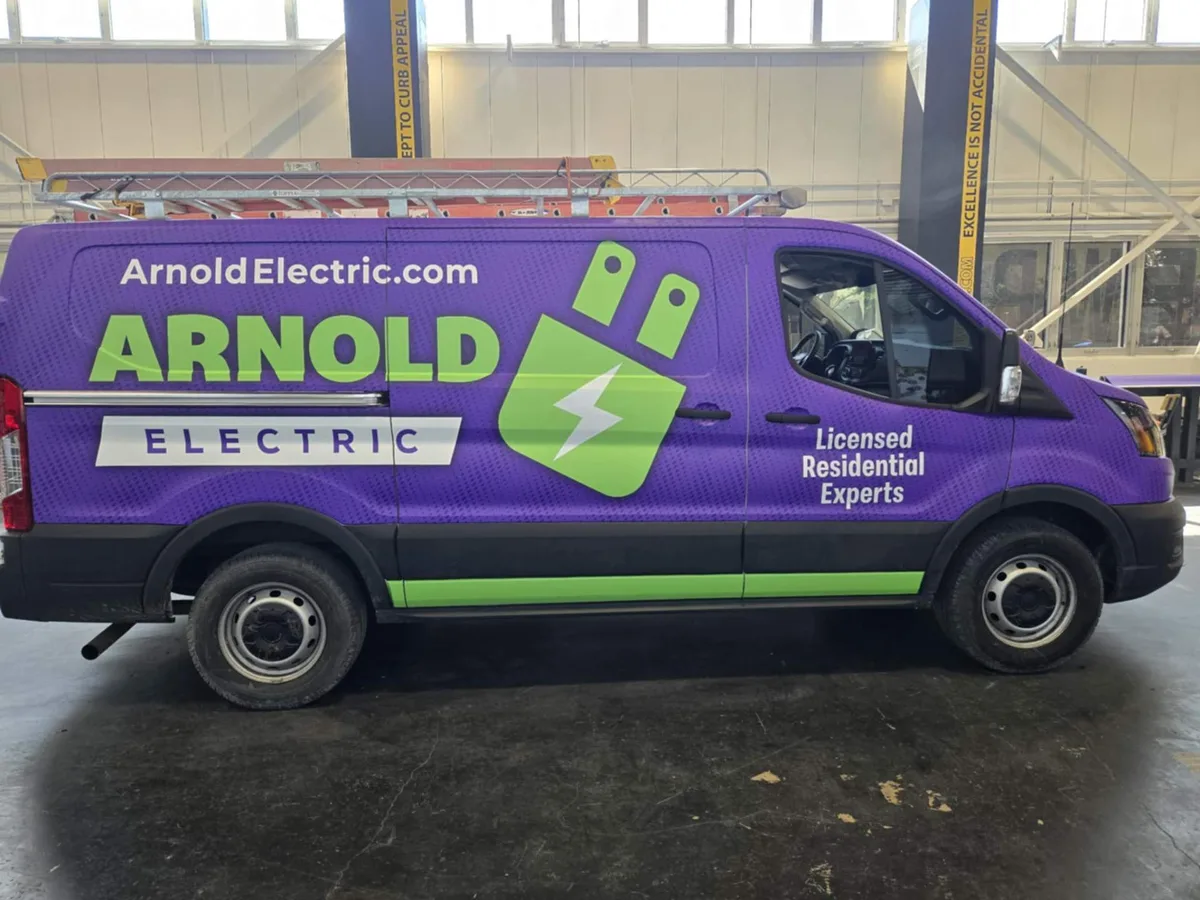
Arlington Heights fleet van wrap by Chicago Fleet Wraps
Chicago's first responders depend on vehicles that are instantly recognizable. Whether it's a fire department command vehicle, an ambulance fleet, or a police community outreach van, emergency vehicle wraps serve a critical dual purpose: high-visibility safety markings and professional department branding.
At Chicago Fleet Wraps, we've wrapped emergency vehicles for departments across Cook County, DuPage County, and the greater Chicagoland area. Our emergency vehicle wraps use 3M Diamond Grade reflective materials that meet or exceed NFPA 1901 and MUTCD standards for emergency vehicle visibility.
Types of Emergency Vehicle Wraps We Install
Orland Park fleet graphics install by Chicago Fleet Wraps
Fire Department Vehicles. Command vehicles, battalion chief SUVs, fire prevention bureau cars, and support vehicles. We match your department's exact Pantone colors and incorporate reflective chevron patterns for rear visibility.
EMS & Ambulance Graphics. Star of Life markings, unit numbers, reflective striping, and department branding for ambulances and supervisor vehicles.
Police & Law Enforcement. Community policing vehicles, detective units, DARE program cars, and administrative fleet vehicles. Ghost graphics (subtle markings visible at certain angles) are available for unmarked units.
Hospital & Medical Transport. Patient transport vans, mobile health clinics, and hospital shuttle buses with ADA-compliant signage.
Municipal Fleet Vehicles. Public works trucks, code enforcement vehicles, park district vans, and city inspector cars.
Reflective Materials & Safety Standards
Emergency vehicle wraps require specialized materials that standard commercial wraps don't use:
Cast vinyl install detail by Chicago Fleet Wraps
3M Diamond Grade DG3 Reflective Sheeting. The highest-performing retroreflective material available. Visible from 1,000+ feet at night.
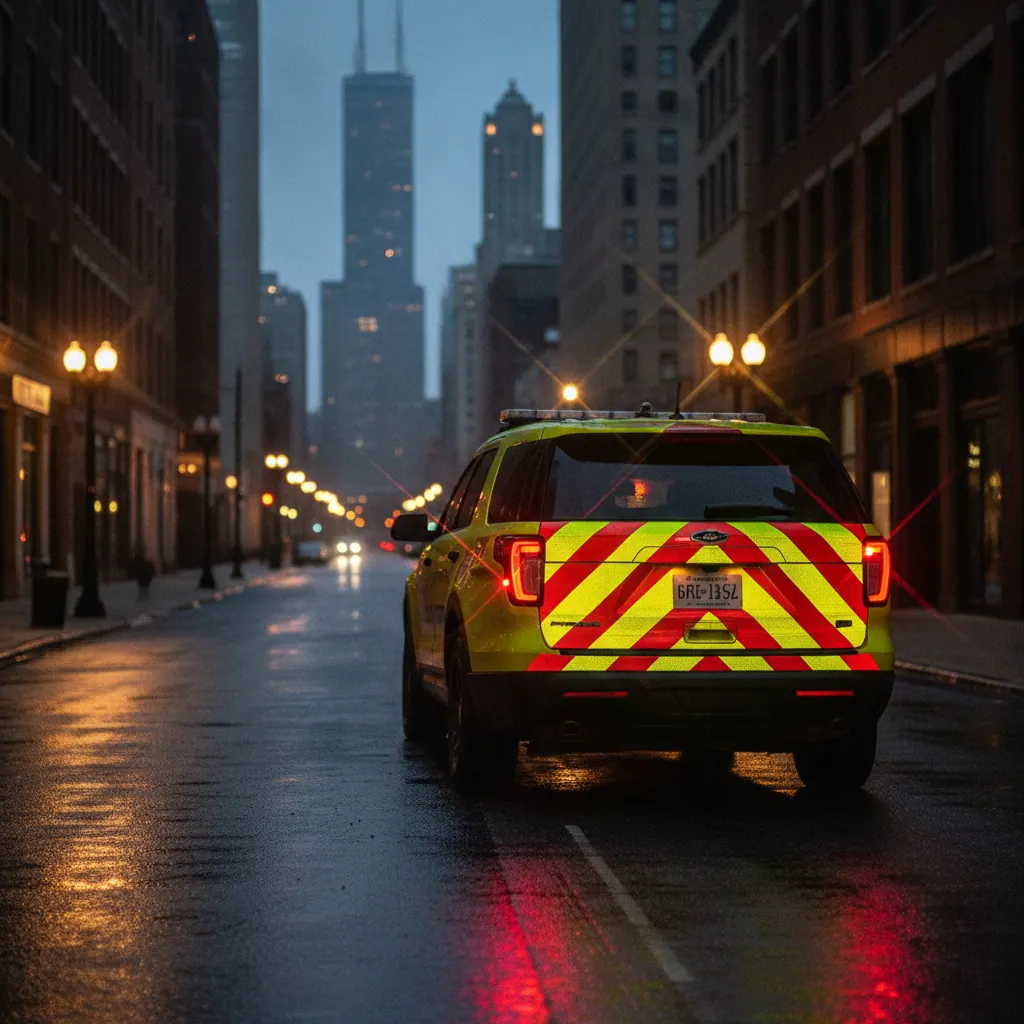
Chevron Patterns. Alternating fluorescent yellow-green and red retroreflective chevrons on rear surfaces per NFPA 1901 standards.
Fluorescent Films. Daytime visibility enhancement using fluorescent yellow-green or orange films that appear to glow in daylight.
Prismatic Reflective Vinyl. For unit numbers, department names, and emergency markings that need to be visible in all conditions.
The Emergency Vehicle Wrap Process
Emergency vehicle projects follow a specialized workflow designed to minimize downtime for active-duty vehicles:
Chicago Fleet Wraps installation bay by Chicago Fleet Wraps
Department Consultation. We meet with your fleet manager to review branding standards, safety requirements, and scheduling constraints.
Compliance Review. Our team verifies all designs meet NFPA, MUTCD, and local ordinance requirements before production.
Priority Scheduling. Emergency vehicles are scheduled with minimal turnaround time. Most vehicles are completed in 2 - 3 days.
On-Site Installation Available. For departments that can't release vehicles, we offer on-site installation at your station or facility.
Pricing for Emergency Vehicle Wraps
Emergency vehicle wrap pricing varies based on vehicle type, reflective material requirements, and design complexity:
Commercial HVAC fleet van wrap by Chicago Fleet Wraps
SUV/Command Vehicle. $3,500 - $5,500 (includes reflective chevrons and department branding)
Ambulance/Large Van. $4,500 - $7,500 (full reflective striping, Star of Life, unit markings)
Patrol Car Graphics. $1,800 - $3,200 (door shields, reflective striping, unit numbers)
Municipal Fleet Vehicle. $2,200 - $4,000 (department branding, reflective elements)
Volume discounts are available for department-wide rollouts. We also offer ongoing fleet maintenance programs for adding new vehicles as they enter service. Request a department quote →
The Critical Role of Emergency Vehicle Wraps in Chicago's Urban Landscape
In a city as dynamic and densely populated as Chicago, the immediate identification of emergency vehicles is not merely a matter of branding, but a critical component of public safety. From the bustling Loop to the residential streets of Lincoln Park, first responders rely on highly visible, distinctive graphics to navigate traffic, assert authority, and ensure rapid response times. These wraps act as an essential visual communication tool, conveying urgency and purpose at a glance to motorists and pedestrians alike.
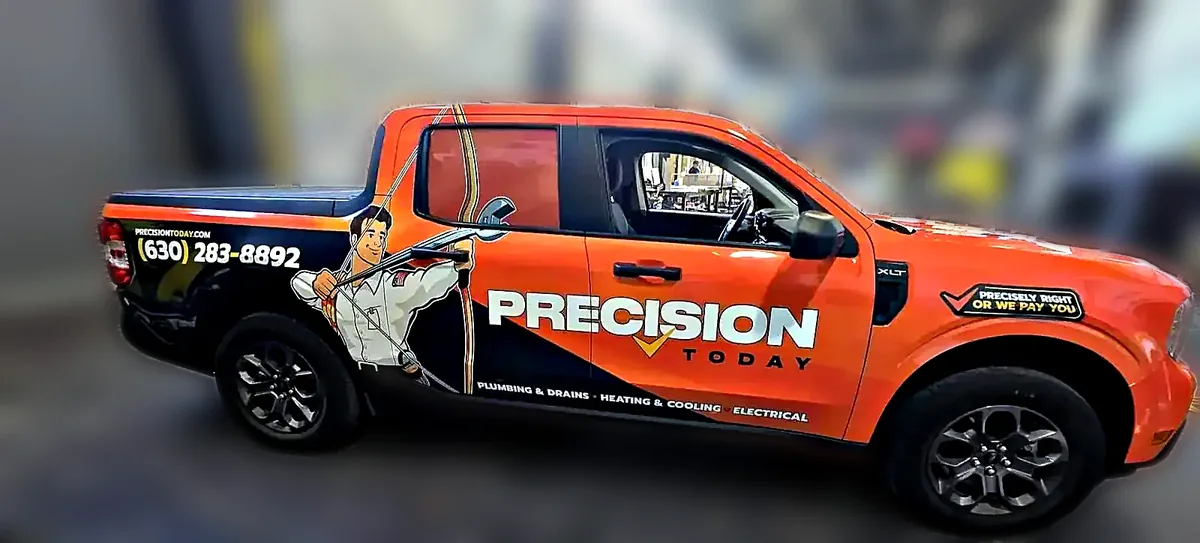
Precision Today HVAC service van by Chicago Fleet Wraps
Chicago's diverse weather conditions, from harsh winters to humid summers, demand that emergency vehicle wraps not only be visually impactful but also incredibly durable. The materials chosen must withstand constant exposure to salt, grime, UV radiation, and frequent washing without fading or peeling. This resilience is paramount, as any degradation in visibility could compromise the safety of both emergency personnel and the public they serve.
Furthermore, the specific design elements and color schemes used in Chicago's emergency vehicle wraps are often dictated by stringent municipal and state regulations. These guidelines ensure uniformity, prevent confusion, and maintain a consistent visual standard across various departments, from the Chicago Police Department to the Chicago Fire Department and beyond. Adherence to these standards is non-negotiable for any reputable wrap provider.
Beyond immediate identification, a well-executed emergency vehicle wrap also instills public trust and reinforces the professional image of Chicago's first responders. A clean, crisp, and professionally applied graphic conveys competence and reliability, reflecting positively on the dedicated individuals who serve our communities every day. It's a visual testament to their unwavering commitment to public safety.
Understanding Material Science for First Responder Graphics: Beyond Standard Vinyl
When it comes to emergency vehicle graphics, the choice of material transcends typical commercial applications. We exclusively use cast vinyls like Avery Dennison MPI 1105 and 3M IJ180-CV3, not just for their aesthetic qualities but for their engineered performance under extreme conditions. These aren't calendared films; they are conformable, durable, and designed to adhere flawlessly to complex curves and rivets without lifting or bubbling, critical for the diverse fleet shapes in Chicago.
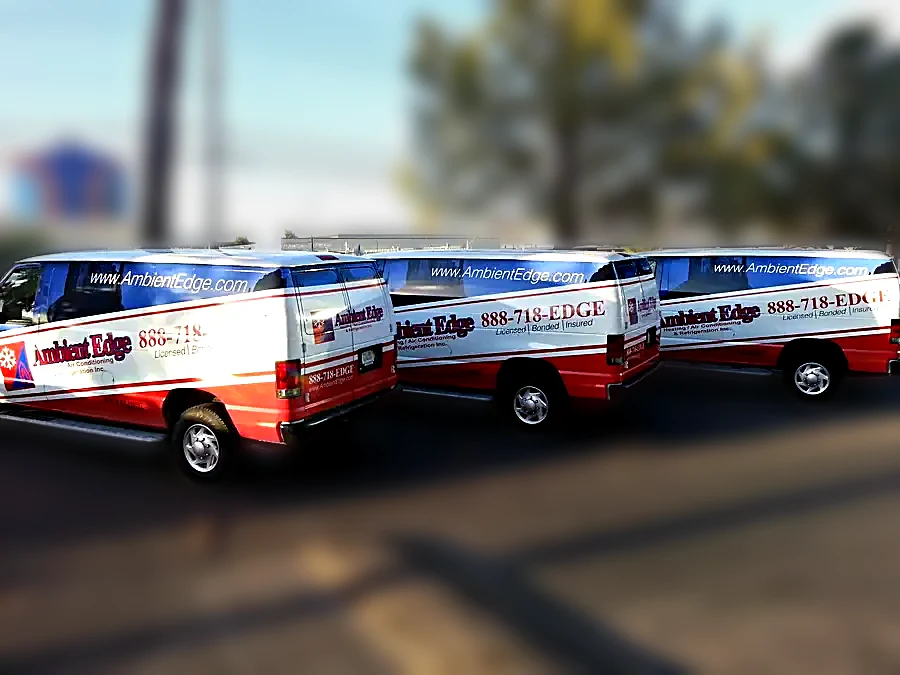
Ambient Edge multi-van fleet by Chicago Fleet Wraps
The adhesive technology within these premium films is equally vital. It needs to provide a strong, long-lasting bond that resists edge lifting, yet allow for clean removal when necessary, without damaging the underlying paint. This is particularly important for municipal vehicles that may be repurposed or resold, where maintaining the integrity of the original paint finish is a significant asset. Our zero verified paint damage claims attest to this.
Beyond the base vinyl, the laminates applied are crucial for protecting the graphics from abrasion, chemical spills, and UV degradation. For emergency vehicles, specialized laminates with enhanced scratch resistance and UV inhibitors are often selected to prolong the life and vibrancy of the graphics, ensuring they remain highly visible and professional-looking through years of rigorous service in Chicago's streets.
Reflective films are another specialized material often incorporated into first responder graphics to maximize visibility during low-light conditions or at night. These materials are designed to return light to the source, making vehicles dramatically more conspicuous to other drivers. Integrating these reflective elements smoothly into the overall design requires expert knowledge of material compatibility and application techniques.
Design Principles for Maximum Visibility and Compliance in Chicago
Designing emergency vehicle graphics for Chicago's first responders involves a meticulous balance between immediate visual impact and strict regulatory compliance. The primary goal is instant recognition, often achieved through high-contrast color schemes, bold typography, and strategic placement of departmental insignias. Every element must contribute to clarity, especially in high-stress situations where seconds count.
Bratcher Heating and Air HVAC pickup truck wrap by Chicago Fleet Wraps
Beyond aesthetics, compliance with local and federal regulations regarding reflectivity, color codes, and specific markings is paramount. For instance, certain police and fire department vehicles in Chicago adhere to precise color standards and chevron patterns for rear visibility. Our design team is intimately familiar with these mandates, ensuring every design not only looks exceptional but also meets all necessary legal requirements.
The integration of reflective materials is a key design principle for emergency vehicles, dramatically enhancing nighttime visibility. This isn't just about slapping on reflective tape; it involves strategically incorporating reflective vinyls into the overall graphic design, ensuring that logos, lettering, and safety stripes illuminate effectively without compromising the daytime appearance or readability of the wrap.
Furthermore, the design must consider the vehicle's specific make and model. A design that looks great on a Ford Explorer Police Interceptor might not translate effectively to a larger ambulance or a smaller patrol car. Our designers create custom templates for each vehicle type, ensuring that all graphics align perfectly with body lines, door handles, and window frames, resulting in a cohesive and professional finish.
The CFW Advantage: Unmatched Quality and Service for Chicago's First Responders
For 25 years, Chicago Fleet Wraps has been the trusted partner for emergency vehicle graphics in the Chicagoland area. Our deep understanding of the unique demands placed on first responder fleets, combined with our unwavering commitment to premium materials and expert installation, sets us apart. We understand that these aren't just vehicles; they are critical assets in public safety.
Our exclusive use of Avery Dennison MPI 1105 and 3M IJ180-CV3 cast vinyl ensures that every wrap we produce offers unparalleled durability and vibrant color retention, crucial for vehicles operating 24/7 in Chicago's demanding environment. This commitment to quality materials directly translates to graphics that withstand the test of time, weather, and rigorous daily use without compromise.
The meticulous application process, backed by our 2-year workmanship warranty and zero verified paint damage claims, provides peace of mind for departments across Chicago. We know that vehicle downtime is not an option for emergency services, which is why our efficient installation process and free fleet pickup service across Chicagoland are designed to minimize disruption and maximize operational readiness.
From the initial design consultation to the final installation, our team of seasoned professionals works closely with fire departments, police departments, and other emergency services to ensure their specific needs and compliance requirements are met with precision and excellence. We pride ourselves on delivering not just a product, but a complete solution that supports the vital work of Chicago's first responders.
Maintaining and Updating Emergency Vehicle Graphics: Longevity and Cost-Effectiveness
Proper maintenance is essential to extend the lifespan and preserve the integrity of emergency vehicle graphics, ensuring they remain highly visible and professional. Regular, gentle cleaning with mild, non-abrasive detergents is recommended to remove road grime, salt, and pollutants that can dull the finish or compromise the adhesive. Avoiding harsh chemicals or high-pressure washes directly on graphic edges is crucial.
Even with premium materials, minor damage can occur in the line of duty. Chicago Fleet Wraps offers efficient repair and replacement services for partial sections of emergency vehicle wraps. This targeted approach is far more cost-effective than a full re-wrap, allowing departments to address specific areas of wear or damage quickly, maintaining a consistent appearance across their fleet.
As vehicles age or departmental branding evolves, updating emergency vehicle graphics becomes necessary. Our expert team can smoothly integrate new logos, contact information, or regulatory markings onto existing wraps, ensuring that fleets remain current and compliant without the need for a complete overhaul. This flexibility is invaluable for managing fleet assets efficiently.
Furthermore, understanding the expected lifespan of high-quality cast vinyl wraps (typically 5-7 years, often longer with proper care) allows departments to budget effectively for future graphic updates or replacements. Investing in premium materials from the outset minimizes the frequency of these updates, offering long-term cost savings by reducing repair needs and maintaining peak visual performance.
Future Trends in Emergency Vehicle Graphics: Technology and Visibility
The evolution of emergency vehicle graphics is leaning heavily into advanced technologies that enhance visibility and communication. We're seeing increased demand for dynamic reflective films that offer superior light return and wider viewing angles, crucial for improving safety in Chicago's diverse urban and suburban settings, especially during inclement weather conditions.
Another emerging trend is the integration of smart graphics and embedded technologies. While still in early stages, concepts like illuminated wraps that can change patterns or display messages, or wraps with embedded sensors for diagnostics, are on the horizon. These innovations promise to elevate the functionality of emergency vehicle graphics beyond static branding.
Sustainability is also becoming a more prominent factor in material selection. Manufacturers are developing more eco-friendly vinyls and printing processes that reduce environmental impact without compromising performance or durability. Chicago Fleet Wraps is committed to exploring and adopting these greener alternatives as they become viable for our premium applications.
Furthermore, customization and unique branding elements are becoming more sophisticated. While compliance remains paramount, departments are seeking ways to subtly express their identity and professionalism through refined graphic details, specialized finishes, and advanced color combinations that set their fleet apart while maintaining immediate recognizability as first responders.
Last Updated: April 2, 2026
Frequently Asked Questions
What specific regulations govern emergency vehicle graphics in Chicago?
Emergency vehicle graphics in Chicago must comply with local municipal codes and state statutes (e.g., Illinois Vehicle Code) regarding reflectivity, color usage, and specific markings for police, fire, and ambulance services. These regulations ensure uniformity and prevent confusion on the roads, prioritizing public safety.
How do you ensure graphics on emergency vehicles remain visible in Chicago's diverse weather?
We exclusively use cast vinyls like Avery Dennison MPI 1105 and 3M IJ180-CV3, known for their durability and resistance to UV, salt, and extreme temperatures. Combined with specialized laminates, these materials prevent fading and peeling, ensuring graphics remain vibrant and highly visible through Chicago's harsh winters and humid summers.
Can you match existing graphic designs for new emergency vehicles added to a Chicago fleet?
. Our design team excels at meticulously matching existing graphic designs, colors, and branding elements to ensure smooth integration for new vehicles joining your Chicago fleet. We maintain precise templates and color profiles to guarantee consistency across all your emergency vehicles.
What is the typical turnaround time for wrapping an emergency vehicle at Chicago Fleet Wraps?
The turnaround time for an emergency vehicle wrap varies depending on the complexity of the design and the vehicle type. However, we prioritize efficiency to minimize downtime, often completing installations within 2-5 business days. Our free fleet pickup service also helps streamline the process for Chicagoland departments.
Do emergency vehicle wraps affect the resale value or paint integrity of the vehicle?
When installed by experts like CFW using cast vinyls (Avery Dennison MPI 1105, 3M IJ180-CV3), vehicle wraps protect the underlying paint from UV damage and minor abrasions. Our zero verified paint damage claims confirm that our wraps do not harm the original paint and can even help preserve its condition, potentially aiding resale value.
Are reflective elements a standard inclusion in Chicago emergency vehicle wraps?
While not always standard for all wrap types, reflective elements are highly recommended and frequently incorporated into Chicago emergency vehicle wraps for enhanced nighttime and low-light visibility. We strategically integrate high-quality reflective vinyls into designs to meet safety standards and departmental preferences.
“Post/Chicago Emergency Vehicle Wraps First Responder Graphics. Same standard every time: every panel is computer-cut to the vehicle, so no blade ever touches the paint. Nineteen thousand four hundred vehicles deep, the process does not change.”
Full wraps run from $2,850 for compact cars to $9,200 for 26-ft box trucks. A standard cargo van full wrap is $4,200. Fleet discounts run 3% to 15% by vehicle count on a single contract.
How long does a wrap installation take?
Cargo vans take 1-2 business days, Sprinters 2-3, and box trucks 2-4. The full production lifecycle from quote to road-ready vehicle is 8 days, with free pickup and delivery across Chicagoland.
Chicagoland Coverage
Vehicle Wraps Across Chicagoland
Scheduled fleet pickup and full-service installation across the city and suburbs. 25 years, 19,400+ vehicles wrapped.