Ford Transit Wrap Installation Process
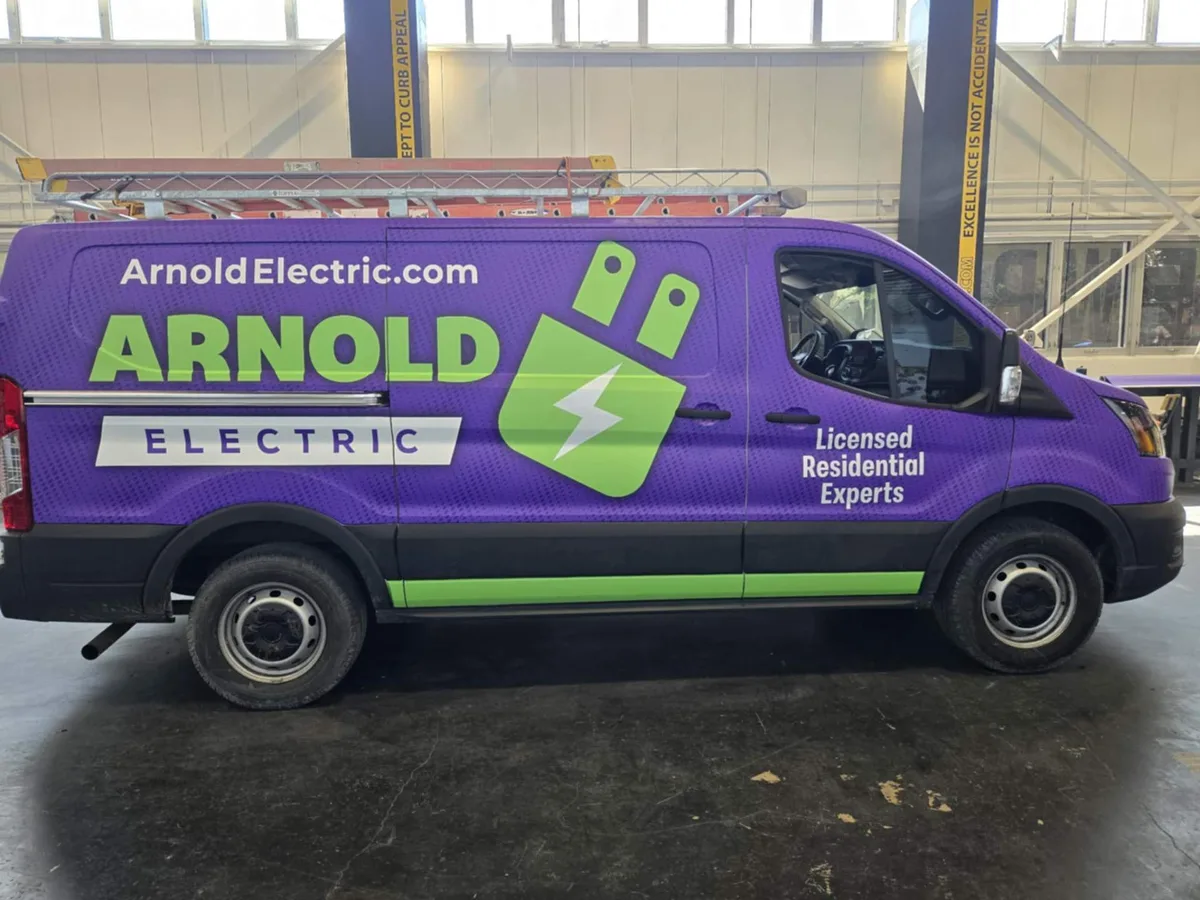
A Transit install is sequenced around its hardware. The sliding door gets wrapped as its own unit with the film worked into the track channel, because a panel wrapped across the closed door will shear the first time the door runs its rail. The 50/50 rear doors carry exposed hinges and, on vans with the 253-degree opening option, check straps that have to be unbolted, wrapped behind, and re-torqued rather than masked around.
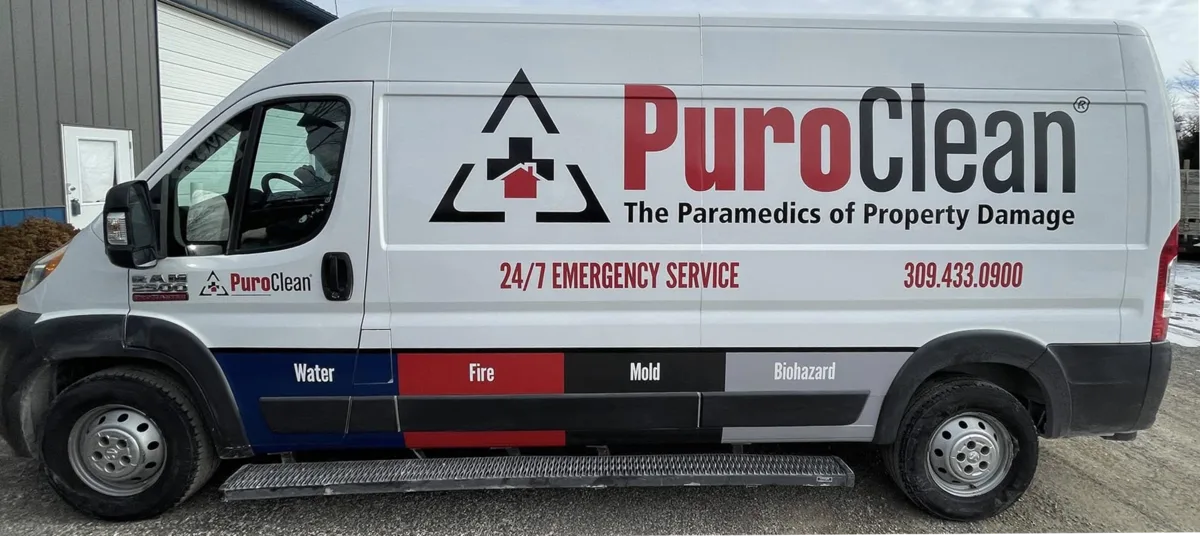
Mirror caps and the grille surround come off the van entirely and get wrapped on the bench, where compound curves can be worked with both hands. On high-roof builds we generally recommend leaving the roof unwrapped: it is invisible from the street on a 110-inch-tall van, it is the panel most punished by sun and ice, and skipping it moves budget into the sides and rear where the impressions actually happen.
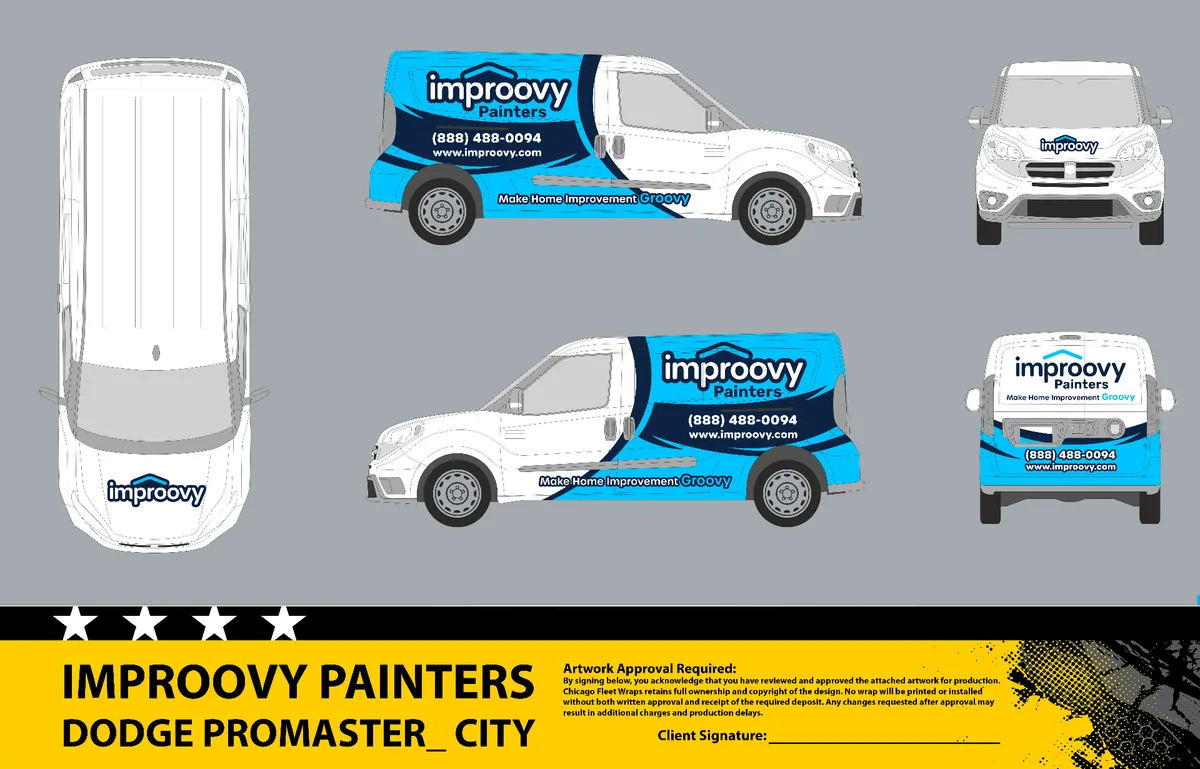
Between the three body lengths there is real area variance. A Regular low-roof van at 219.9 inches by 82.2 inches and an Extended-Length high roof at 263.9 by 110.4 present roughly 60 percent different side silhouettes, which is why our Transit quotes ask for roof height and length code before we give you a number rather than quoting one flat van price.
Why Cast Vinyl Matters for Your Ford Transit
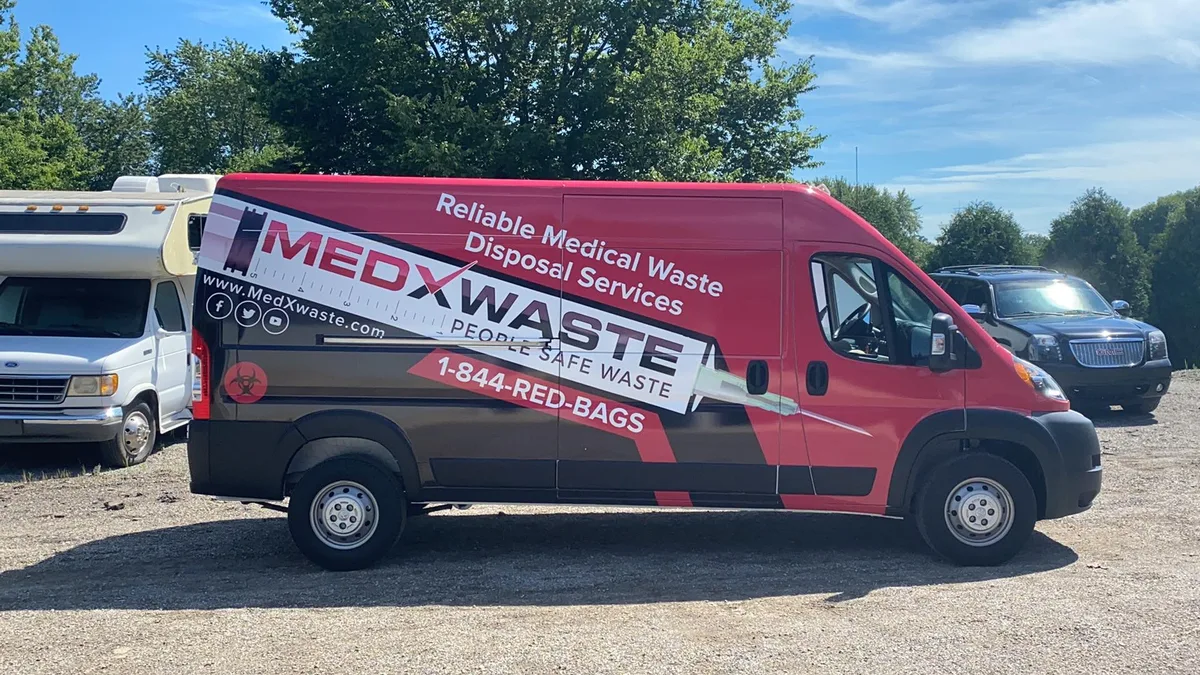
The Transit's body sides are not flat. Ford stamps deep longitudinal character lines into the panels, and the sliding-door track cuts a recessed channel the full length of the passenger side. Film has to be heated down into those recesses and stay there. Cast film is manufactured relaxed, so it holds a formed shape; calendered film is manufactured under tension and spends its whole service life trying to shrink back flat, which on this van means tenting out of the door track and the body lines within a couple of summers.
That is the whole argument in one panel: run your hand along a two-year-old cheap wrap on a Transit and you will feel the film bridging the character line like a drumhead. Ours are formed into the steel and stay formed, which is why we spec cast exclusively for this body.
Ford Transit Wrap ROI for Chicago Businesses
Run the arithmetic on this van specifically. A Transit wrap here prices between $4,200 and $5,500 by configuration. Amortized across a 6-year service life, the midpoint works out to roughly $67 a month, or about $2.25 a day, for a moving sign the size of the van itself. There is no monthly media invoice after installation; day 400 costs the same as day 1: nothing.
Now put that against what a Transit actually does all day. A Chicago service van runs errands, sits at job sites, parks on residential streets and idles in expressway traffic, all of it in front of people who live and hire within its working radius. Paid channels bill you per exposure forever; the wrap's cost per exposure falls every single day the van works.
Two second-order effects are specific to owning rather than renting your advertising. The film shields the factory paint underneath, so a wrapped Transit comes back to showroom-condition panels at removal, which matters at trade-in on a van class that works hard. And because the wrap is a business advertising expense, your accountant can treat it accordingly at tax time; ask them about Section 179 treatment rather than taking a wrap shop's word for tax advice.
Our Work