Technical Reference
Vehicle Vinyl Wrap Material Guide
3M and Avery Specs, Straight From the Bulletins
Cast vinyl, overlaminates, install temperatures, durability, removal, and warranty, answered from current 3M and Avery Dennison bulletins. Cast is poured as a liquid and cured into a thin, dimensionally stable film that conforms to curves, rivets, and recesses without shrinking back. Calendered is not.
Wrap Material Questions, Answered
Sourced from 3M and Avery Dennison product and instruction bulletins.
What is the difference between cast and calendered vinyl for vehicle wraps?
Cast vinyl is poured as a liquid and cured into a thin, dimensionally stable film that conforms to curves, rivets, and recesses without shrinking back. Calendered vinyl is extruded and stretched, leaving it thicker and prone to shrinking at seams over time. For full vehicle wraps that must survive years of weather, cast film (3M IJ180-CV3, 3M IJ280, Avery MPI 1105) is the professional standard. Calendered films are suited to short-term flat graphics, not fleet wraps.
What is 3M IJ280 and how does it compare to IJ180-CV3?
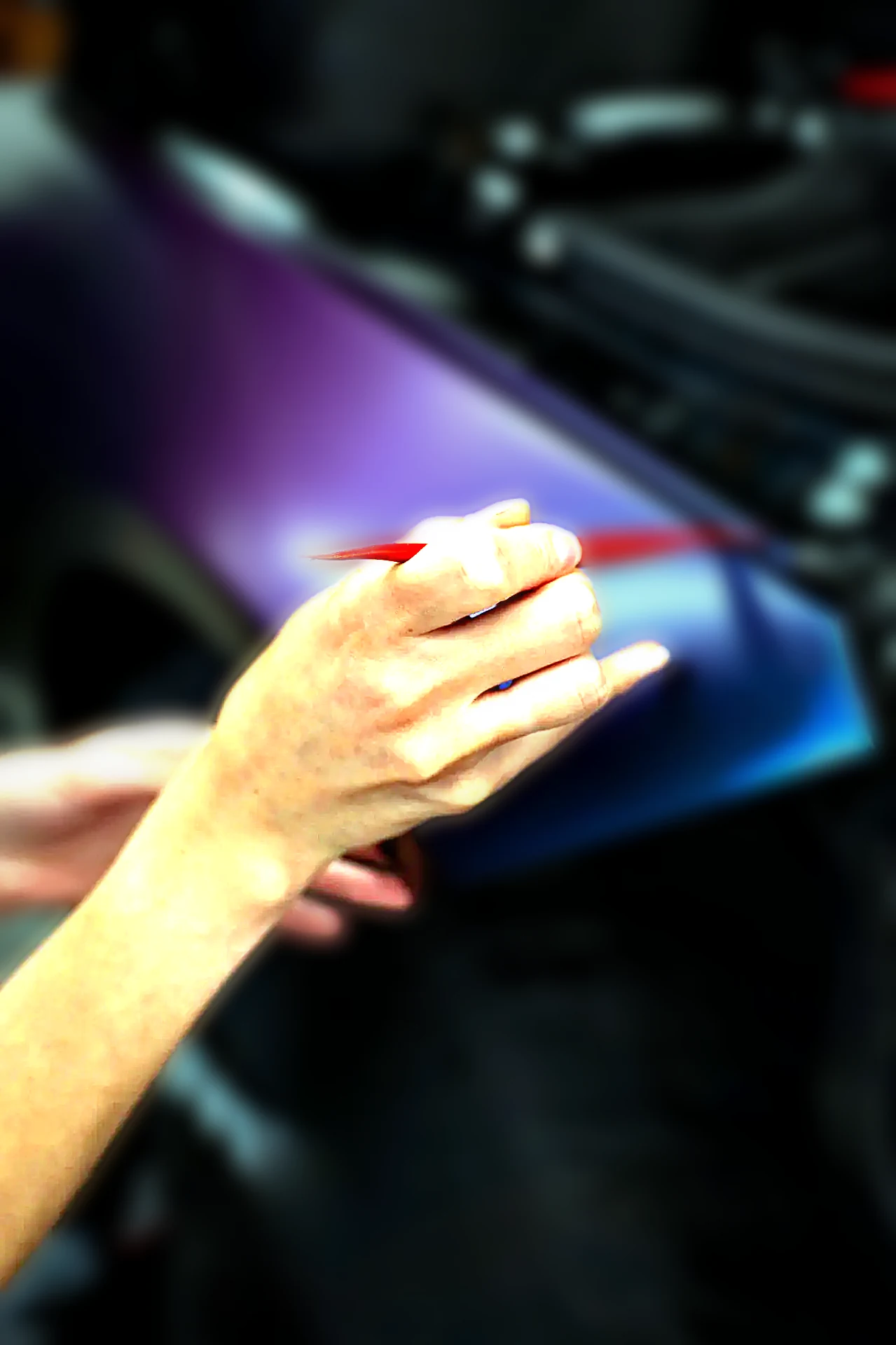
3M Print Wrap Film IJ280 is 3M's current flagship cast wrap film, paired with 3M Gloss Wrap Overlaminate 8428G. Per 3M's product bulletin, the IJ280/8428G system installs up to 20% faster and lifts 2x less than the previous IJ180-CV3/8518 system when applied by experienced installers. IJ180-CV3 remains a proven, widely used cast film; IJ280 is the newer generation engineered for faster installs and better lifting resistance.
What is Avery Dennison MPI 1105 and what is it used for?
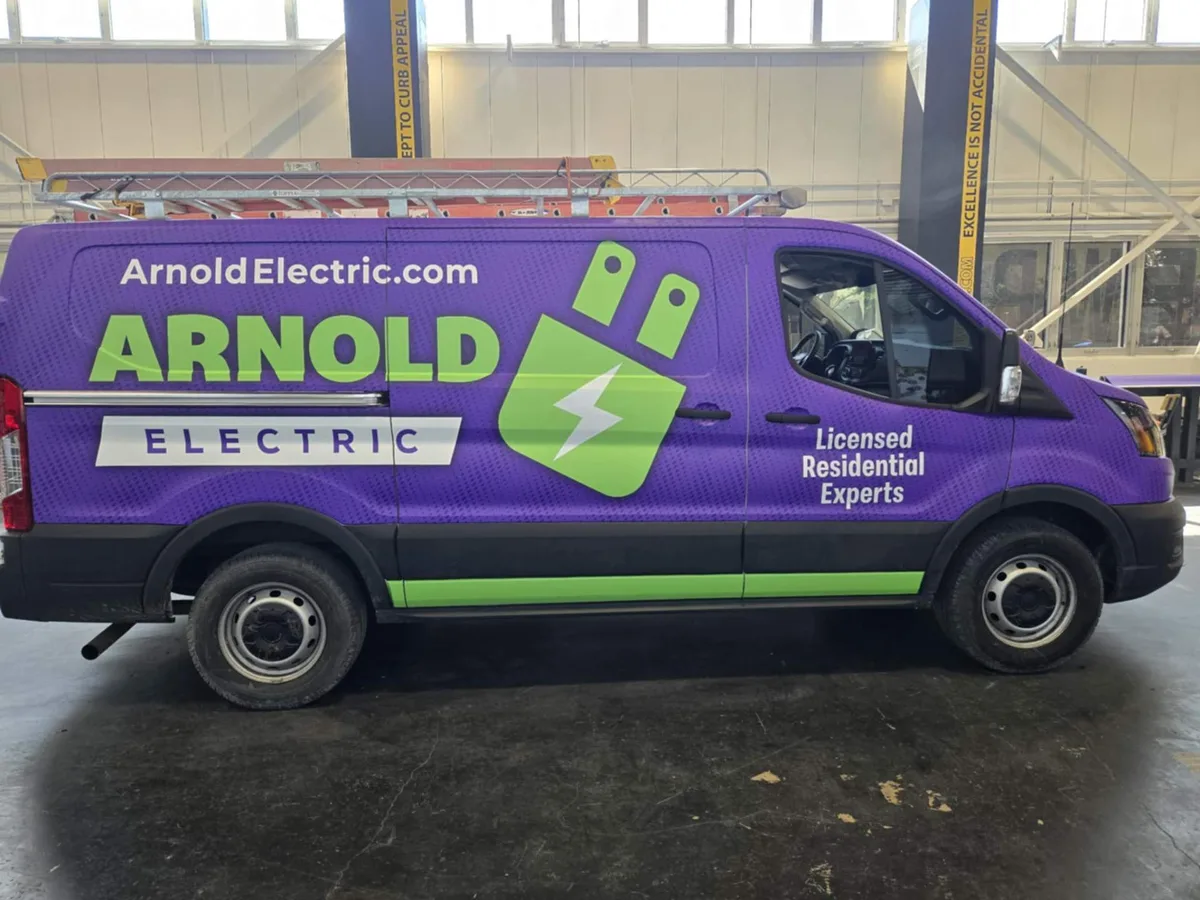
Avery Dennison MPI 1105 is a gloss-white cast vinyl for vehicle and outdoor graphics. Per Avery's product data sheet, it is ultra-conformable and opaque, with up to 10 years unprinted durability and an expected service life of up to 7 years as a printed wrap. It is available with Easy Apply RS technology, which adds an air-egress channel for bubble-free application and slideability for repositioning during install.

What overlaminate should be used over MPI 1105?
Avery's data sheets recommend protecting MPI 1105 with a conformable overlaminate: DOL 1460Z Gloss or DOL 1480Z Matte (current designations), or the DOL 1000Z/1400Z series and DOL 6460 High Gloss. The overlaminate adds UV protection, abrasion resistance, and chemical resistance. MPI 1105 paired with a DOL 1400Z-series laminate can even be applied in demanding environments like gas stations or tank trucks.
How long do vehicle wraps last?
A professionally installed cast-vinyl wrap with overlaminate is rated for roughly 5 to 7 years of outdoor service. Avery MPI 1105 carries an expected durability of up to 7 years printed (up to 10 years unprinted). Actual lifespan depends on sun exposure, climate, wash practices, and whether the film is on a vertical or horizontal surface - horizontal surfaces like hoods and roofs weather faster and often carry shorter warranty periods.
What temperature is needed to install and post-heat a vehicle wrap?
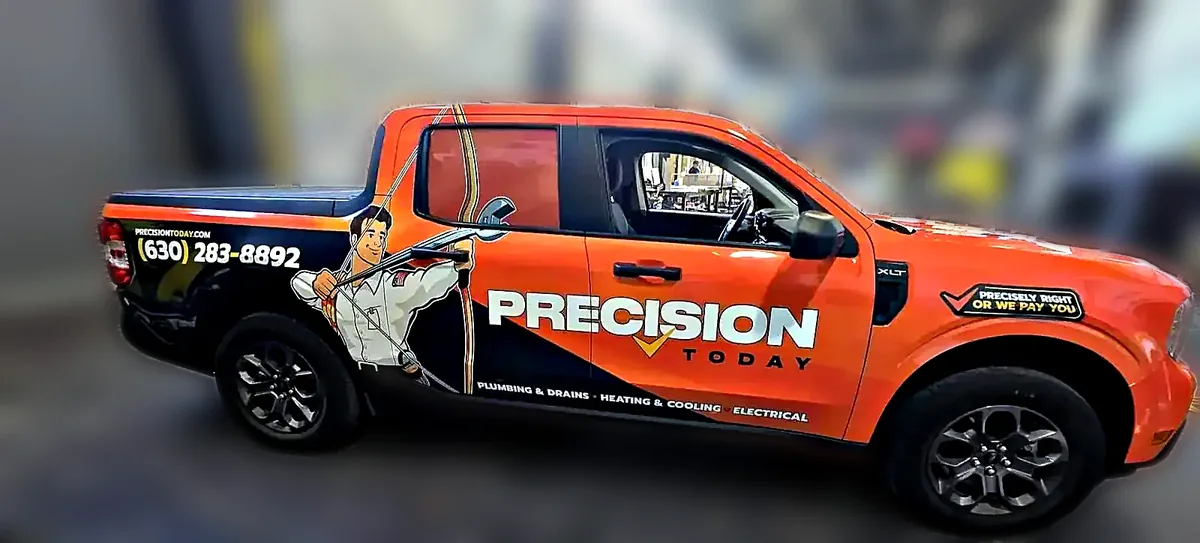
Per 3M's bulletins, vehicle graphics require post-heating during application: the film surface must reach a minimum of 200°F (93°C) and not exceed 225°F, using a heat gun. Post-heating sets the film into recesses and channels and breaks the vinyl's memory so it stays down. Application itself should happen on a clean, dry surface in a controlled environment; both 3M and Avery specify the dry application method for wraps (no water or application fluid).
Should installers use water (wet method) to apply a vehicle wrap?
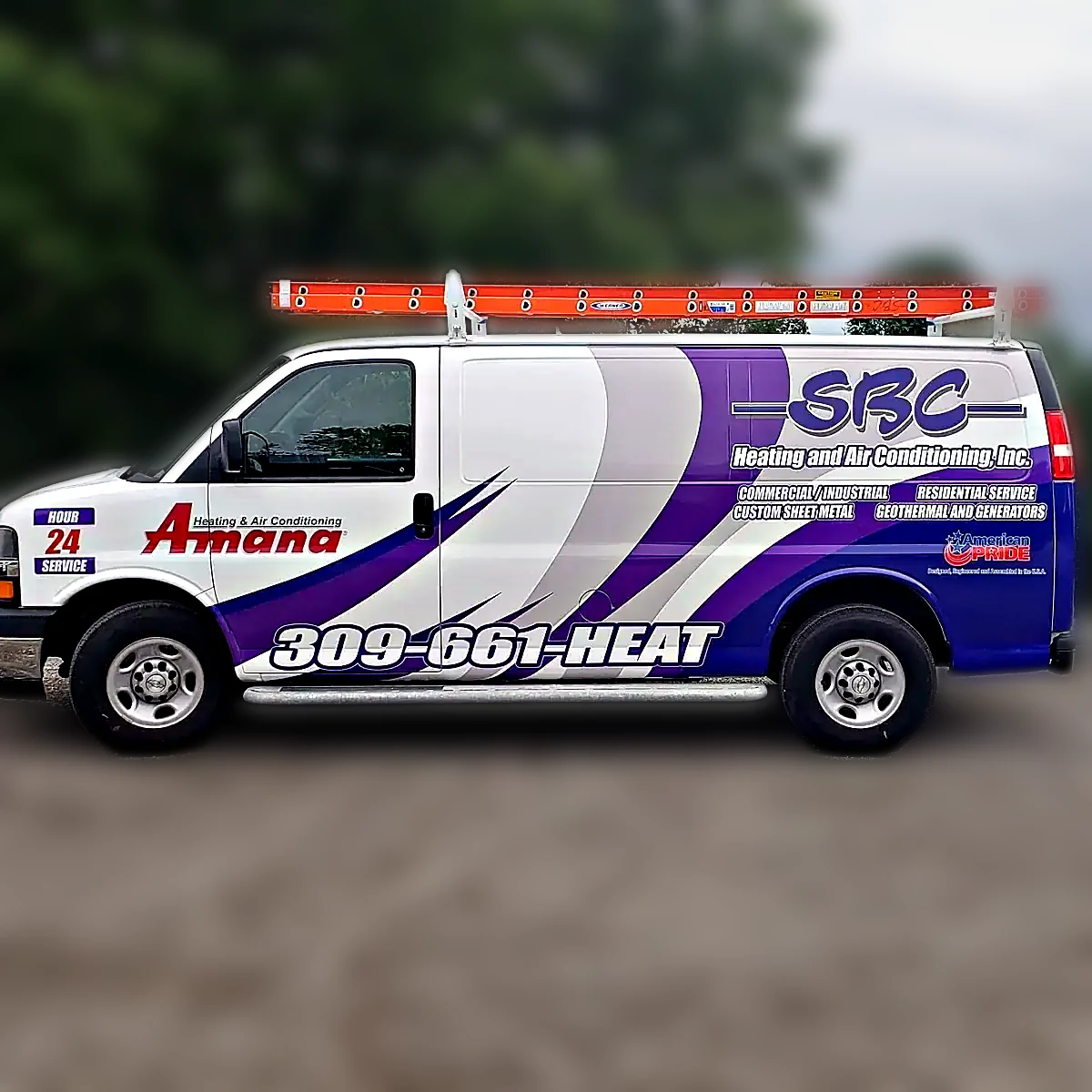
No. Both 3M and Avery specify the dry application method for cast wrap films. Avery's bulletin is explicit: do not use water and detergent or commercial application fluid to position the graphic. Water trapped under the film prevents full adhesion and can cause lifting later. Easy Apply RS and Comply adhesive systems use micro air-egress channels that make dry application slide and reposition cleanly without fluid.

What is an air-egress or Comply adhesive, and why does it matter?
Air-egress adhesives (3M Comply, Avery Easy Apply RS) have microscopic channels engineered into the adhesive layer that let trapped air escape out the edges during installation. This produces a bubble-free finish without pinholing. Per 3M, you should always work from the center out to the edges so air exits through the channels, and you should never remove and reapply the film to a liner, which damages the channels and ruins air release.

Will a vehicle wrap damage the factory paint?
Properly installed cast vinyl protects factory paint from UV and minor abrasion and removes cleanly within its rated service life. Avery notes its films remove cleanly from undamaged OEM factory-painted surfaces, leaving less than 20% adhesive residue when correct heat and chemical removal methods are used. Wraps should not be applied over rubber, unpainted plastic, or low-surface-energy substrates, and films left on past their rated life or applied over damaged/aftermarket paint can affect removal.
How do you remove a vehicle wrap?
Removal typically uses heat to soften the adhesive, then the film is peeled at a low angle; residue is cleaned with an approved adhesive remover. Ease of removal depends on the film age, the substrate, and sun exposure. Cast films like MPI 1105 and 3M's wrap films are engineered for clean removal within their warranted life - 3M and Avery both publish dedicated removal instruction bulletins. Films left far past their rated lifespan become brittle and harder to remove in one piece.
How should a wrapped vehicle be washed and maintained?
Hand washing is best. Use a wet, non-abrasive, solvent-free cleaner with a pH between 3 and 11 (neither strongly acidic nor strongly alkaline). Avoid hard solvents like isopropyl alcohol directly on gloss or Z-series laminates, which can cause matting and gloss loss. Pressure washing should stay under about 2,000 PSI, under 140°F, with the nozzle at least a foot from edges at a 90-degree angle. Rinse off road salt promptly in winter. 3M and Avery each publish maintenance bulletins with full detail.
What is the shelf life of wrap film before it is installed?
Per 3M, unprocessed wrap film has a shelf life of no more than three years from the date of manufacture on the original box. Once the film is processed (printed or laminated), shelf life drops to one year from the processing date, but never more than three years from manufacture. Storing film flat, in original packaging, in a climate-controlled space preserves it. Using expired film risks adhesion and conformability problems.
Can wrap film be applied over rivets, corrugations, and deep recesses?
Yes, that is exactly what premium cast film is built for. Avery MPI 1105 with a DOL 1460/1480Z-series overlaminate is specifically recommended for rivets and corrugations and, per Avery, does not require adhesive primer or promoter when properly processed and applied. The film is stretched into the recess with heat, then post-heated to lock it. 3M wrap films behave the same way. Calendered film cannot do this reliably and will tent or pop off rivets.
Does wrap film need a primer or adhesive promoter?
For most OEM-painted surfaces, no. Avery states its vehicle wrapping films, including MPI 1105 Easy Apply RS, do not require adhesive promoter or primer to achieve suitable adhesion in compound curves, corrugations, or deep recesses when applied per its instruction bulletin. 3M recommends edge primer in specific high-stress edge situations where the film is heavily stretched. The correct answer is always whatever the current product bulletin for that exact film specifies.
Why should I use one production lot of film for a whole vehicle?
Film color can vary slightly from lot to lot during manufacturing. To keep a vehicle's color consistent across all panels, both 3M and Avery recommend using film from a single production lot number for the entire vehicle. On multi-vehicle fleet jobs, matching lots across the fleet keeps every vehicle visually identical, which matters for brand consistency.
What is the difference between gloss, matte, and satin wrap finishes?
Finish is determined by the overlaminate (for printed wraps) or the film itself (for color-change films). Gloss reflects light for a wet, vivid look; matte absorbs light for a flat, modern look; satin sits between the two. Avery offers DOL 1460Z Gloss and DOL 1480Z Matte; 3M offers gloss, luster, and matte Envision overlaminates. The finish is purely cosmetic and does not change the film's durability rating, though matte and satin can show fingerprints and require slightly different cleaning.
What does a manufacturer wrap warranty actually cover?
Coverage depends on the film, the overlaminate, the surface orientation, and the region. 3M's MCS Warranty and Performance Guarantee cover eligible printed graphics only when the installer reads and follows the current product and instruction bulletins, and the warranty period is set by the 3M Graphics Warranties Matrix at time of purchase. Avery warrants its products free from defects for two years from manufacture or per the data sheet in effect at delivery. Both warranties are voided by failure to store or apply the film per the bulletins. Horizontal surfaces (hoods, roofs) typically get a reduced warranty period versus vertical surfaces.
What surfaces should a vehicle wrap NOT be applied to?
Per Avery, wrap film is not designed for low-surface-energy substrates such as Tedlar coatings, rubber, or unpainted plastic, and should not cover window molding, vents, or trim made of those materials. Films are warranted on undamaged OEM-painted surfaces. Aftermarket or repainted panels, rust, and flexible non-painted components are common trouble spots. A good installer masks off or trims around these areas rather than forcing film onto a surface it cannot bond to.
Wrapping a Fleet in Chicago?
CFW installs to these exact manufacturer specs on cast film with full overlaminate. 19,400+ vehicles wrapped since 2001. Get an itemized per-vehicle quote within 24 hours.
Get a Fleet Quote →“Wrap Material Guide. The part nobody tells you: we post-heat every edge so the film locks down and will not lift later. It is part of why we have zero verified paint-damage claims.”
What should you check before you decide?
- Vehicle and surface: confirm the actual year, model, body configuration and paint condition.
- Material system: match film, laminate and adhesive strategy to the job instead of buying by brand name alone.
- Design and ownership: approve the layout on the exact vehicle and know who owns the production files.
- Schedule and warranty: plan real downtime, QC and the correction process before installation starts.
Wrap Material Facts
Here are the wrap material facts that matter in Chicago:
- 1Cast Film OnlyAvery MPI 1105 and 3M IJ180-CV3. No calendered vinyl, ever.
- 2Finish OptionsGloss, matte, satin, chrome, carbon fiber, color-shift, holographic, metallic, camo.
- 3Durability5-7 years outdoor, UV overlaminate standard, 2-year workmanship warranty.
- 4CareHand wash, avoid automated brushes, park in shade when possible.
RELATED SERVICES
Free Fleet Quote · 2-hour response
Ready to wrap your fleet?
Itemized pricing in your inbox within 24 hours. Not a range. 19,400+ vehicles wrapped. HP Latex, Avery, and 3M films. Pickup across Chicagoland.
or call (312) 597-1286