Tesla Wrap Installation Process
A Tesla install starts with electronics, not vinyl. Every exterior camera, the B-pillar units, the fender repeaters, the rear unit above the plate, gets masked and verified clear at the end, because a millimeter of film over a lens edge degrades the image the car drives with. Badges come off with adhesive debonder rather than being wrapped over, and the charge-port door is wrapped as a separate small panel so its motion never shears the quarter-panel film.
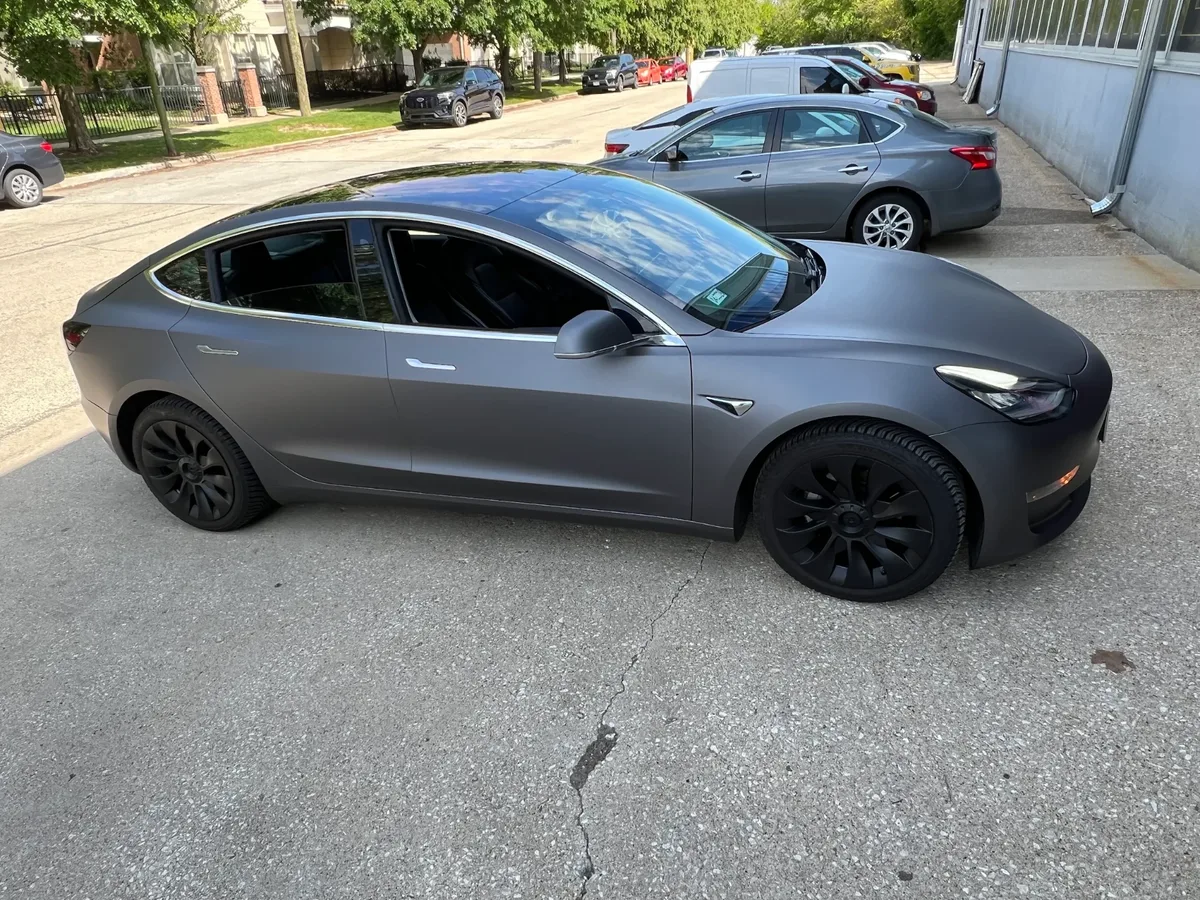
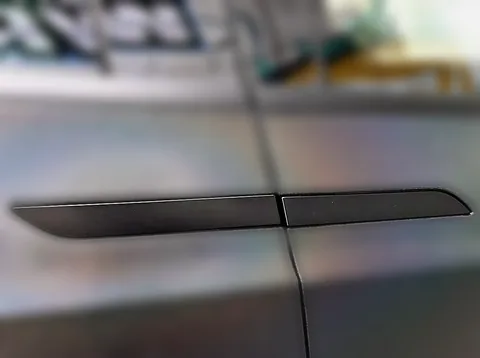
Model 3 and Y flush handles get wrapped with the handle presented, film worked into the pocket, then cycled a dozen times before post-heating so the mechanism proves itself against the fresh edge. On an X, the falcon-door roofline seals are taped back rather than trimmed against, because those seals sweep a longer arc than any normal door and will find a proud edge eventually.
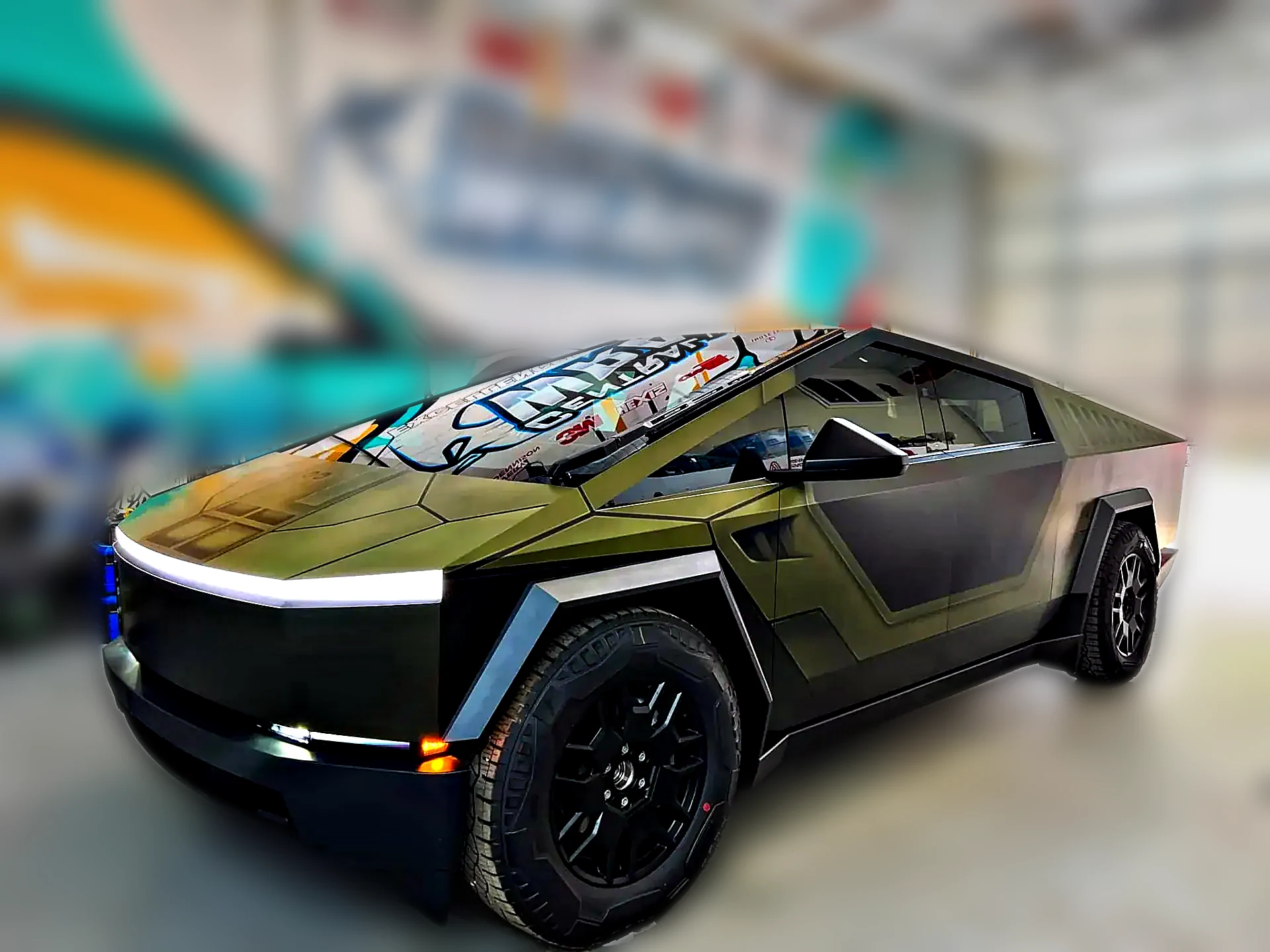
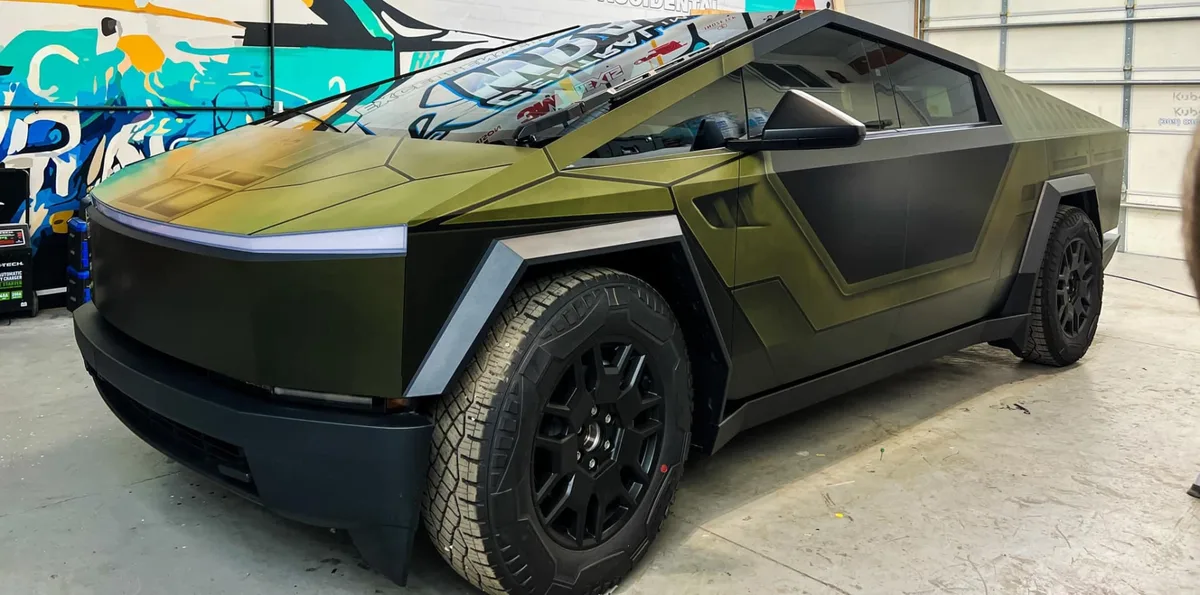
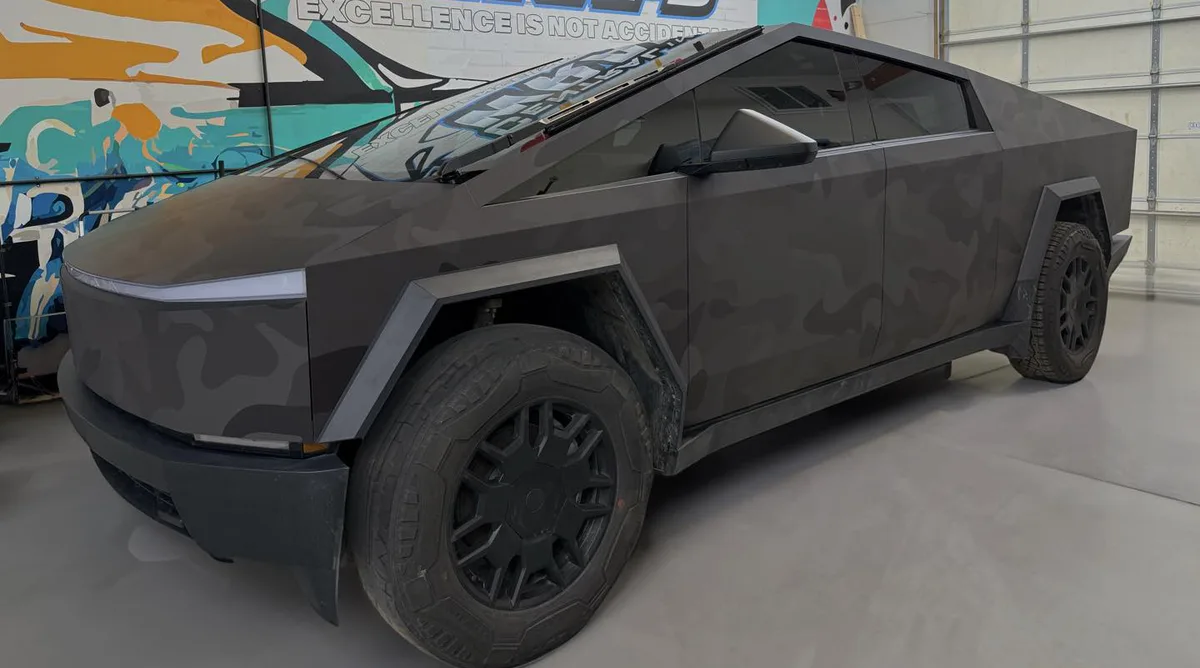
Cybertruck prep is its own procedure: the stainless takes an alcohol-only decontamination, no polish, no primer on the field of the panel, and film is laid facet by facet with relief at each crease rather than pulled across the break. Where we do use edge primer on any Tesla it goes exactly at high-stress terminations, and the completed car is documented on camera before it leaves the bay.
Why Cast Vinyl Matters for Your Tesla
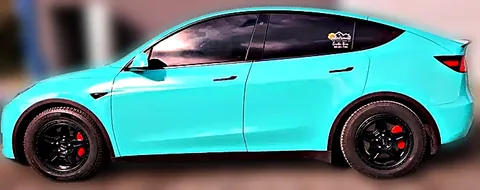
Tesla body language is mostly gentle compound curvature: the Model Y's rear haunch, the S's sloping decklid, bumper fascias with almost no flat reference anywhere. Gentle curves fool people. Film stretched over a long slow radius carries low visible tension on install day, but a film with shrink memory pulls back across that whole radius at once, and the failure shows up as a wrap that seems to shrink off the car uniformly. Cast film is set at manufacture and holds the radius it was formed to.
The Cybertruck inverts the problem: its facets are flat, which tempts budget shops toward cheaper film, but every facet terminates in a hard crease, and creases are where shrinking film opens a stainless-colored seam you can see from across a parking lot. Flat panels do not make calendered film safe; they just relocate the evidence.
Tesla Wrap ROI for Chicago Businesses
For a Tesla owner the return case is less about ad math and more about the asset. Tesla sells a short factory color list, and several of the desirable finishes carry a paint upcharge on the order sheet; a color-change wrap buys any finish on the market, is reversible, and comes off to reveal factory paint that never met a Chicago winter. On trade-in day, an unmarked original finish under the film is worth real money on a used EV, where cosmetic condition moves the appraisal.
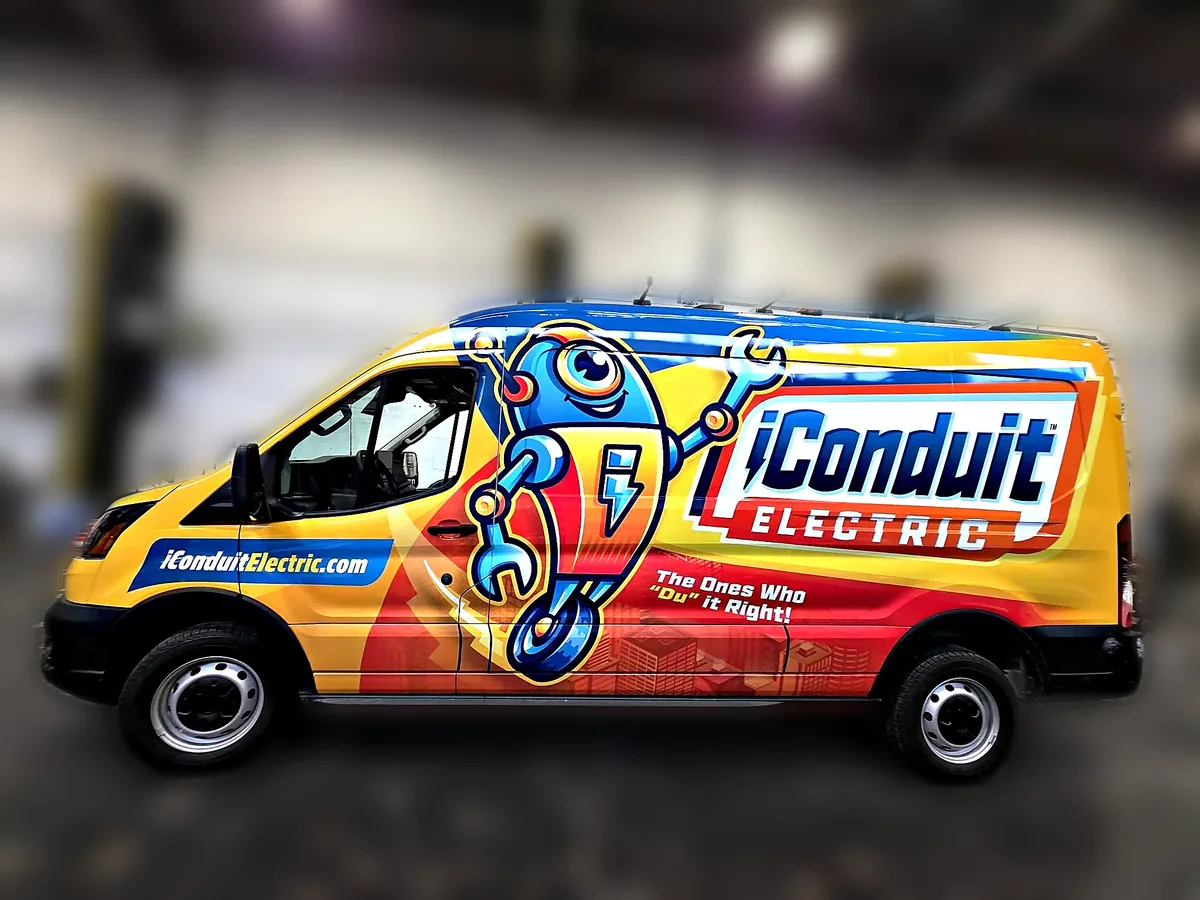
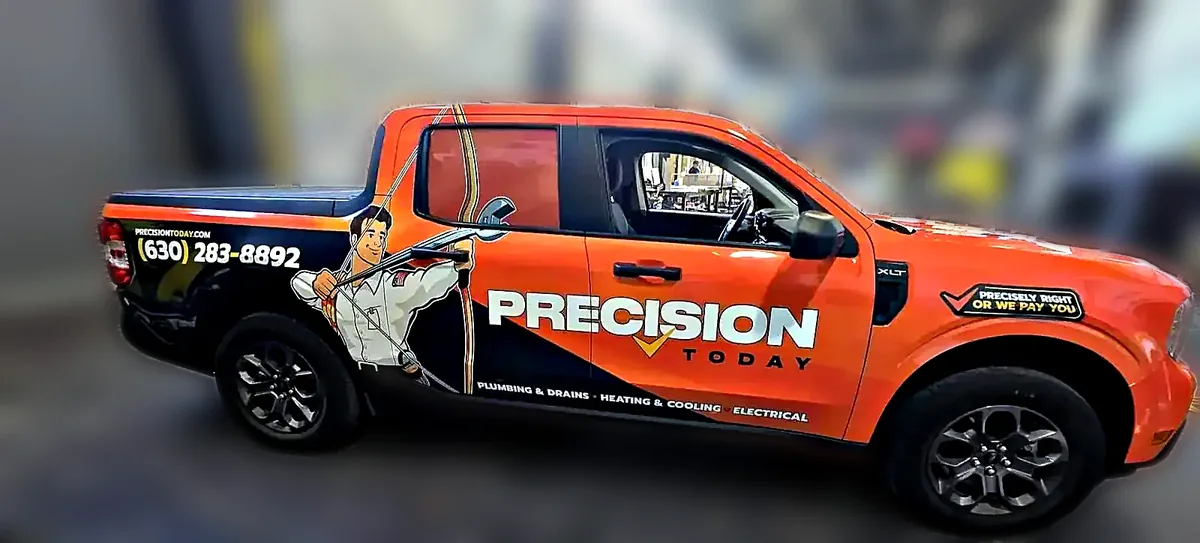
For a business running Teslas, the calculation stacks twice: the same graphic that carries your name is also the sacrificial layer taking the stone chips and salt spray the paint would otherwise take. You are not choosing between advertising and protection; on this brand one purchase is both. Whether and how the expense deducts is a conversation for your accountant, not a promise from a wrap shop.
Our Work