
Car Wrap Cost Chicago: 2025 Price Guide
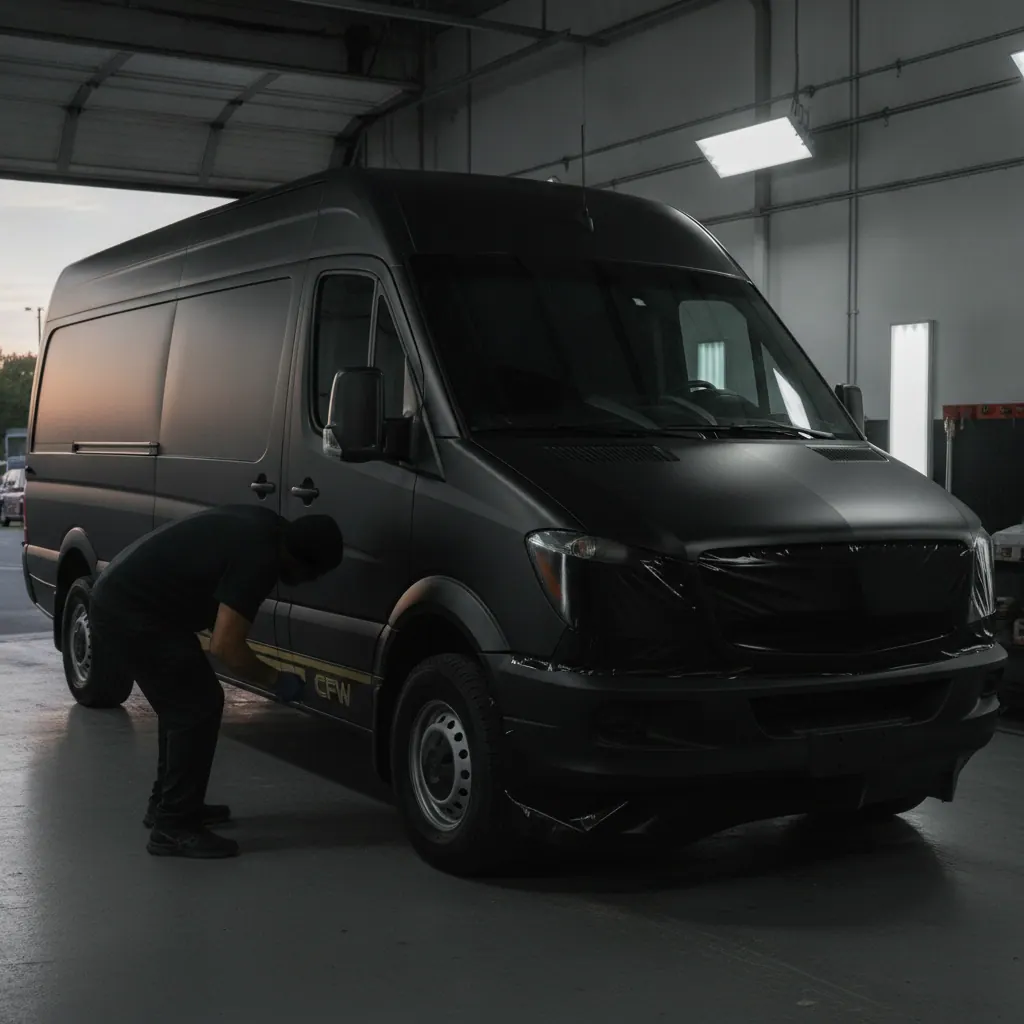
A full car wrap in Chicago typically runs $2,500 to $5,500 depending on vehicle size, material grade, and design complexity. Chicago Fleet Wraps, founded in 2001, has wrapped 19,400+ vehicles across Chicagoland with zero verified paint-damage claims on record. That track record matters when you're comparing shops on price alone.
A full car wrap in Chicago typically runs $2,500 to $5,500 depending on vehicle size, material grade, and design complexity. Chicago Fleet Wraps, founded in 2001, has wrapped 19,400+ vehicles across Chicagoland with zero verified paint-damage claims on record. That track record matters when you're comparing shops on price alone.
What You Actually Pay: Chicago Wrap Pricing Breakdown
Price is the first question every customer asks. It should be. But price without context is useless. Here is what drives the number up or down.
- Compact car, full wrap: $2,850 to $3,200
- Full-size sedan or crossover, full wrap: $3,000 to $4,000
- Cargo van, full wrap: $4,200 (our published rate)
- Box truck or large fleet vehicle: Quote required, typically $4,800 and up
- Partial wrap (hood, roof, or rear panels): $800 to $1,800
These are Chicago market prices using cast vinyl, not calendered film. The difference matters. We explain it below.
The Material Question: Cast Vinyl vs. Calendered Film
Chicago Fleet Wraps installs cast vinyl only. That means Avery Dennison MPI 1105 Supercast and 3M IJ180-CV3, along with the newer 3M IJ280, each paired with a UV overlaminate. We never use calendered film on any vehicle. Calendered film costs less upfront. It also shrinks, lifts at edges, and fades faster, especially through a Chicago winter on the Kennedy or Eisenhower where road salt and freeze-thaw cycles hit hard.
Cast vinyl is thinner, more conformable, and holds its color and adhesion longer. On a complex curve like a wheel arch or a mirror housing, calendered film struggles. Cast vinyl lays flat. That is why our wrap lifespan runs five to seven years on properly maintained vehicles, while calendered jobs often look rough by year two.
If a shop quotes you $1,200 for a full wrap, ask what material they are using. The answer will tell you everything.
Fleet Wraps: Where the Real Savings Are
Single-vehicle wraps are one thing. Fleet contracts are where pricing gets interesting. Chicago Fleet Wraps currently serves 2,800+ active fleet accounts across the Chicago metro. That volume lets us offer structured fleet discounts written into a single contract.
- 2 to 4 vehicles: 3% discount
- 5 to 9 vehicles: 7% discount
- 10 to 24 vehicles: 11% discount
- 25 or more vehicles: 15% discount
On a 25-van fleet at $4,200 per cargo van, that 15% discount saves $15,750 against standard pricing. That is real money for a delivery company running routes from Bridgeport to Rogers Park.
Fleet clients also get free pickup and delivery across Chicagoland. We come to your lot, pull the vehicle, wrap it in our climate-controlled bay in Portage Park, and return it. Your driver does not lose a workday shuttling across town.
What Makes Chicago Harder Than Other Markets
Chicago is not Phoenix. Chicago is not Miami. The install environment here has a direct effect on wrap quality and longevity.
Surface preparation is harder in a cold climate. Adhesive activation requires controlled temperature. A shop doing installs in an unheated warehouse in January on the Northwest Side is cutting corners whether they know it or not. Our install bay is climate-controlled year-round. That single factor explains a significant portion of our zero verified paint-damage claims record across 25 years of operation.
Road conditions add wear. The stretch of I-90 through Skokie and the surface streets in Pilsen both throw debris. UV overlaminate on every install protects against abrasion and ultraviolet fade. Shops that skip the overlaminate save a few dollars per vehicle. The customer pays for it later in premature fading.
We also cut with 3M Knifeless Tape instead of blade-to-paint cutting. This protects the clear coat during installation. It is one reason our paint-damage claims stand at zero across every vehicle we have ever wrapped.
The Production Timeline: What 8 Days Actually Means
Our standard production lifecycle is eight days from intake to return. Here is roughly how that breaks down.
- Day 1: Vehicle intake, surface inspection, measurement confirmation
- Days 2 to 3: Design finalization and file preparation
- Days 4 to 5: Print and laminate, allow proper off-gassing
- Days 6 to 7: Installation in climate-controlled bay
- Day 8: Quality inspection and vehicle return
Shops promising two-day turnarounds on a full vehicle wrap are skipping steps. Off-gassing time for printed vinyl is not optional. Rushing it causes bubbling and adhesion failure within weeks.
A Short Stats Section
Numbers we track internally because they matter to customers making a real buying decision.
- 25 years in business, founded 2001, based in Portage Park
- 19,400+ vehicles wrapped since founding
- 2,800+ active fleet accounts currently under contract
- 0 verified paint-damage claims across 25 years of installs
- 600+ Rivian EV installs completed, including complex front-fascia geometry
- 4.9 stars across 48 Google reviews
- 2-year workmanship warranty on every install
We publish these numbers because competitors cannot match them. If a shop cannot tell you how many vehicles they have wrapped or whether they have paint-damage claims on record, that is useful information.
Honest Cons: When a Wrap Is Not the Right Call
We do not wrap every vehicle that comes through the door without qualification. Some situations where a wrap may not be the best spend.
- Heavily damaged paint: Wrap film does not hide deep scratches, rust bubbles, or body filler edges. In many cases it highlights them. A vehicle with significant paint damage needs bodywork first.
- Short-term ownership: If you plan to sell or return a leased vehicle in under a year, the economics of a full wrap are harder to justify unless it is a branded fleet vehicle generating direct revenue.
- Extremely high-mileage commercial vehicles: A vehicle running 80,000 miles a year in stop-and-go city traffic accumulates wear differently than a suburban delivery van. We will tell you honestly if the vehicle's condition suggests a shorter wrap lifespan.
A wrap is a five-to-seven-year asset when done correctly. Treat it like one. If the vehicle's underlying condition does not support that timeline, we will say so in the quote meeting.
What the Quote Process Looks Like
We produce itemized quotes in two hours. Not ballpark ranges. Itemized line items covering material, labor, design, laminate, and any vehicle-specific complexity charges. You know exactly what you are paying for before any deposit is taken.
Call (312) 597-1286 or come to 4711 N Lamon Ave #7, Chicago IL 60630. We are in Portage Park, easy off the Nagle exit and accessible from Norwood Park, Jefferson Park, and Harwood Heights without fighting downtown traffic.
People Also Ask
How long does a car wrap last in Chicago's climate?
A cast vinyl wrap installed correctly in a climate-controlled bay lasts five to seven years in Chicago conditions. Road salt, UV exposure on Lake Shore Drive, and temperature swings between January lows and August humidity all affect longevity. Calendered vinyl wraps in the same conditions typically show visible degradation within two years. Chicago Fleet Wraps uses Avery Dennison MPI 1105 Supercast and 3M IJ180-CV3 or IJ280, each with UV overlaminate, to maximize lifespan in this market.
Can a vehicle wrap damage car paint?
A professionally installed cast vinyl wrap does not damage factory paint in good condition. Chicago Fleet Wraps has zero verified paint-damage claims across 25 years of operation and 19,400+ vehicles wrapped. The key factors are proper surface preparation, cast vinyl instead of calendered film, and cutting with 3M Knifeless Tape rather than blades against the paint. Poor installation or low-grade materials are the primary causes of paint damage when wraps are removed.
Next Step
If you are comparing car wrap costs in Chicago, start with a real itemized quote. Call Chicago Fleet Wraps at (312) 597-1286 or visit us at 4711 N Lamon Ave #7, Chicago IL 60630 in Portage Park. We produce a full itemized quote in two hours. Fleet customers get free pickup and delivery across Chicagoland. Every install comes with a two-year workmanship warranty. No pressure. Just numbers you can use to make a decision.
Ready for a quote? See Van Wraps Chicago or get an itemized quote in 24 hours.
Frequently Asked Questions
How much does a full car wrap cost in Chicago?
A full car wrap in Chicago costs between $2,500 and $5,500 for most passenger vehicles. Cargo vans run $4,200 at Chicago Fleet Wraps. Fleet contracts of 25 or more vehicles qualify for a 15% discount. Shops quoting well below these figures are typically using calendered vinyl, which degrades faster in Chicago's climate than cast vinyl.
How long does a car wrap last in Chicago?
A cast vinyl wrap installed in a climate-controlled environment lasts five to seven years in Chicago conditions. Road salt, freeze-thaw cycles, and UV exposure reduce that lifespan when lower-grade materials are used. Chicago Fleet Wraps applies UV overlaminate on every install and backs workmanship with a two-year warranty.
Does a car wrap damage paint when removed?
No, not when installed and removed correctly. Chicago Fleet Wraps has zero verified paint-damage claims across 25 years of business and 19,400+ vehicles wrapped. We use 3M Knifeless Tape for all cuts, which eliminates blade contact with the paint surface. Paint in poor condition before installation is the most common source of damage during removal, which is why surface inspection is part of every intake.