Durability Analysis · 25-Year Data Set
How Long Do Vehicle Wraps Last
In Chicago Weather?
Cast vinyl wraps with full overlaminate last 5 to 7 years in Chicago weather. Calendered vinyl fails inside 12-18 months. The material spec is the entire game.
By Roy Wraps · Founder, Chicago Fleet Wraps · Updated May 2026
5-7 YRS
Cast vinyl + overlaminate, Chicago climate
12-18 MO
Calendered vinyl typical failure point
60-90×
Freeze-thaw cycles per Chicago winter
19,400+
CFW vehicles tracked since 2001
The Short Answer Comes With a Material-Spec Asterisk
A vehicle wrap installed correctly in cast vinyl with full overlaminate will last 5 to 7 years in Chicago weather. That number assumes the wrap was applied in a climate-controlled bay at 60-75°F, that the substrate was properly prepped, and that the owner follows a basic salt-season maintenance protocol.
See the full data: How long a vehicle wrap lasts in Chicago, with real lifespan data from 19,400+ installs.
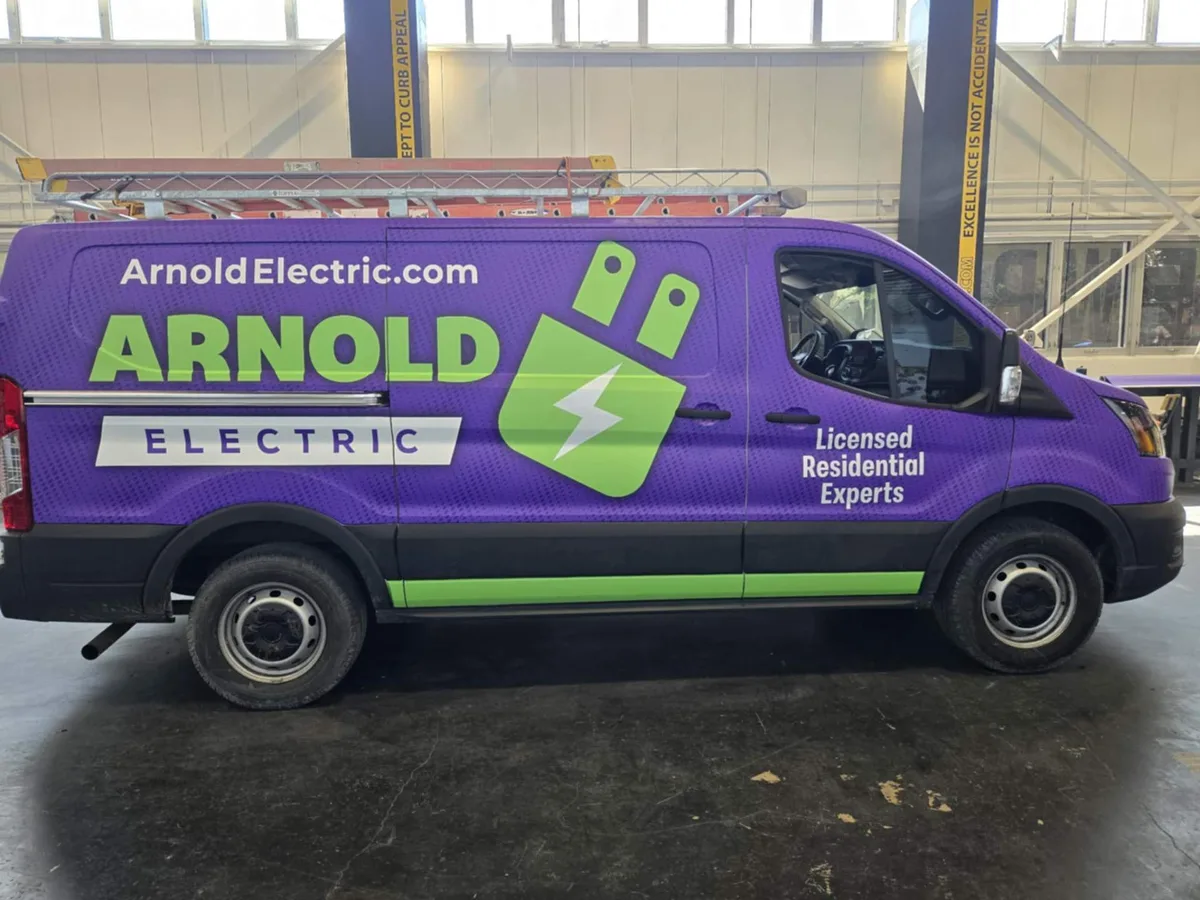
The same vehicle wrapped in calendered vinyl by a budget shop will fail inside 12 to 18 months. Edges lift first. Then water intrusion. Then full-panel delamination. The wrap doesn't fade or look tired, it falls off in pieces during a freeze-thaw cycle in February.
The material spec is the entire game. Chicago is the worst-case-scenario climate for cheap vinyl, and the best-case-scenario climate for cast vinyl installed correctly. CFW has tracked durability data across 19,400+ commercial vehicle installations since 2001, and the 5-7 year cast vinyl number has been remarkably consistent across that entire data set. The full Durability Index 2026 report is available here.
What Kills Wraps in Chicago Weather (Three Things)
1. Road Salt
Cook County salts heavily from November through March. Salt brine spray penetrates any unsealed wrap edge and corrodes the adhesive layer underneath. Wraps without sealed laminate edges fail at the rocker panels and rear bumper zone first, usually inside the first 18 months of salt exposure. Cast vinyl with overlaminate sealed at the edges resists this completely. Calendered vinyl without overlaminate does not.

2. Freeze-Thaw Cycles
Chicago averages 60-90 freeze-thaw cycles per winter. Each cycle stresses the vinyl-substrate bond, vinyl and steel expand at different rates. Cast vinyl is engineered for this; calendered vinyl is not. The "vinyl falls off in February" stories you hear from Chicago contractors are almost always calendered-vinyl-on-cold-substrate failures, not cast vinyl failures.
3. UV Reflection Off Snow
Counter-intuitive but documented: winter UV load on the lower vehicle panels is actually higher than summer UV at Chicago's latitude, because snow reflects 80-90% of UV upward. The lower body wrap zone takes the worst UV beating during snow-cover months, not in July. Cast vinyl laminate handles this; the cheap stuff loses pigment and goes chalky inside two winters.
The Chicago Salt-Season Maintenance Protocol
Fleet operators who follow this protocol consistently hit the 5-7 year wrap lifespan. Fleet operators who don't typically lose their wraps at the salt-impact zones inside 3 years.
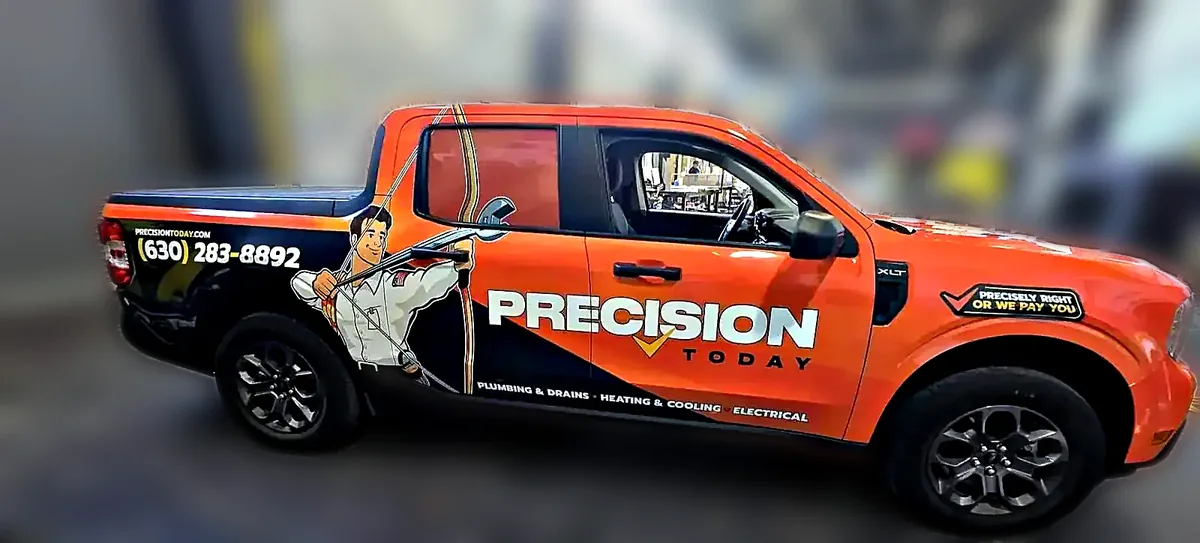
- Hand wash weekly with pH-neutral soap. Avoid automatic car washes, high-pressure spray at the wrong angle lifts wrap edges. Hose rinse at moderate pressure only.
- Quick-rinse after every salt-season highway run. If the vehicle runs I-94, I-90, or I-294 during salt season, rinse the lower body within 24 hours. Salt that sits on a wrap accelerates wear 3-5x.
- Quarterly salt-zone inspection. Look at rocker panels, wheel arch surrounds, rear bumper area, lower side panels every 3 months. Catch edge lift early.
- Park indoors when possible. Even a basic carport extends wrap life. Heated garage parking adds 1-2 years.
- Annual professional inspection. CFW or any qualified Avery/3M wrap shop. Spot-patching early edge lift extends wrap lifespan by 18-24 months.
Chicago vs Phoenix vs Miami, Smaller Gap Than You'd Expect
A common assumption: Chicago wraps die fast and southern wraps last forever. The data doesn't support it.

Phoenix and Miami punish wraps via sustained UV load and panel heat (sustained 110°F+ panel temperatures soften the vinyl-substrate bond). Chicago punishes wraps via freeze-thaw and road salt. Both climates deliver roughly 5-7 year lifespans on properly specced cast vinyl. The difference is failure mode, not lifespan.
Phoenix and Miami wraps fade and the laminate clouds. Chicago wraps stay color-stable but fail at salt-impact zones if not maintained. Same material, same engineering, different failure paths. Pick your poison, but pick cast vinyl either way.
Want Your Wrap to Hit the 5-7 Year Number?
CFW installs only cast vinyl with full overlaminate. Avery Dennison MPI 1105 or 3M IJ180-CV3. 2-year workmanship warranty. 19,400+ commercial vehicles wrapped through 25 Chicago winters and counting.
Get a Fleet Quote →“How Long Do Vehicle Wraps Last Weather. My rule is simple: we post-heat every edge so the film locks down and will not lift later. Nineteen thousand four hundred vehicles deep, the process does not change.”
