
Vehicle Wrap Paint Damage Liability Explained
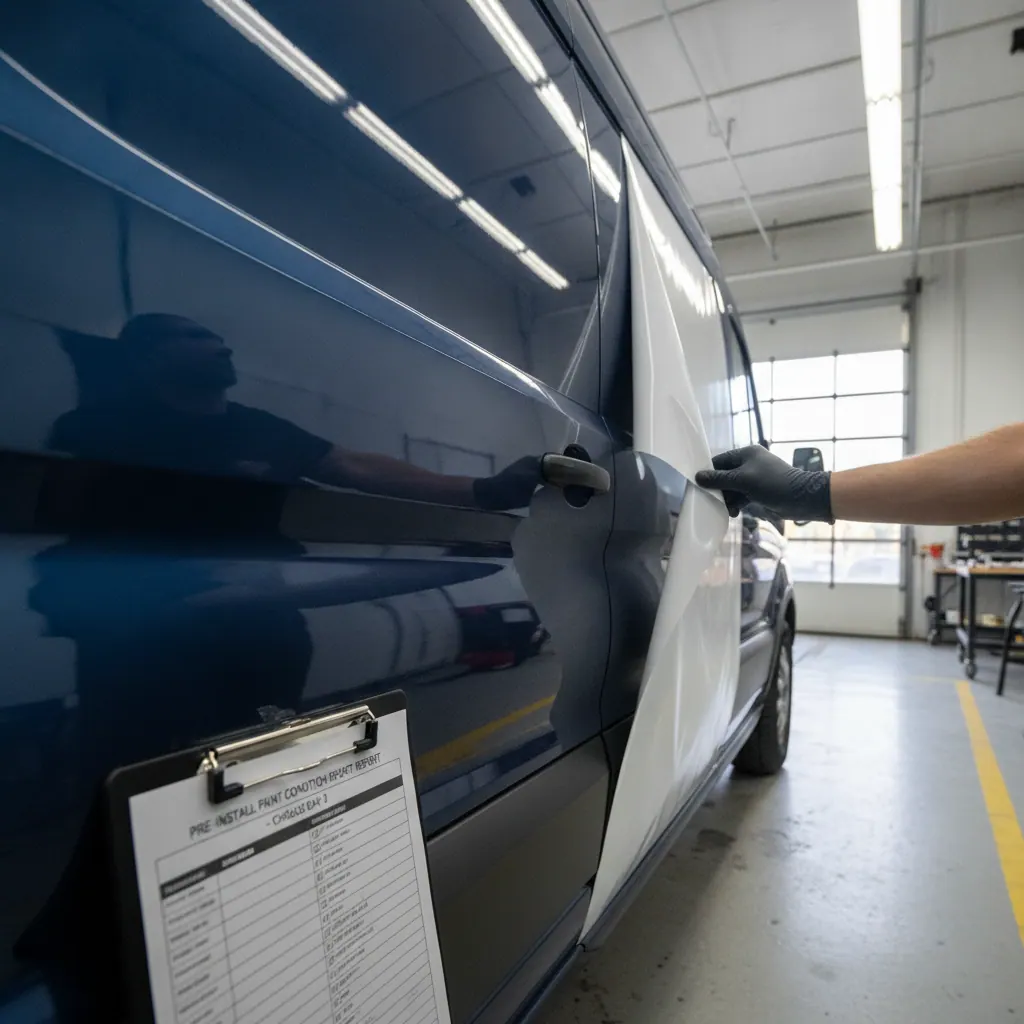
If a wrap damages your paint, liability falls on the installer when faulty materials or poor installation caused it, and on the owner when pre-existing paint problems or improper removal did. Which way it lands depends on the installer's material choices, documentation, and contract terms.
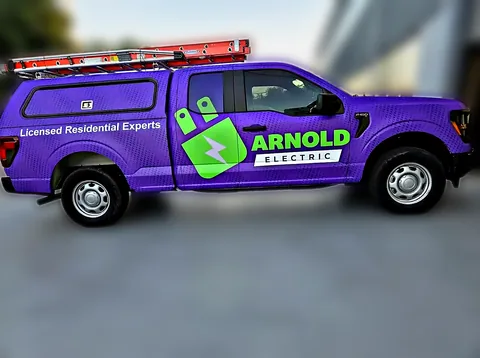
If a vehicle wrap damages your paint, liability falls on the installer when faulty materials or poor installation are the cause, and on the vehicle owner when pre-existing paint problems or improper removal are the cause. The line between those two outcomes depends almost entirely on the installer's material choices, documentation practices, and contract terms. At Chicago Fleet Wraps, we have wrapped 19,400-plus vehicles since 2001 and have zero verified paint-damage claims on record.
Why Paint Damage Happens in the First Place
Most wrap-related paint damage traces back to one of four causes: wrong vinyl film, bad surface prep, rushed application, or leaving the wrap on too long. Understanding each one tells you exactly where to assign blame.
Wrong Vinyl Film
There are two main categories of vinyl film: calendered and cast. Calendered vinyl is cheaper. It shrinks over time, especially in Chicago winters and summers, where temperatures swing from below zero on the Dan Ryan to 95 degrees in Portage Park in July. When calendered film shrinks, it pulls at the paint beneath it. Adhesive pressure increases. When you finally remove the wrap, you can pull clear coat or paint right along with it.
Cast vinyl behaves differently. It is manufactured through a casting process that makes it dimensionally stable. It does not shrink. The adhesive pressure stays consistent across the life of the film. Every wrap we install uses cast vinyl only: Avery Dennison MPI 1105 Supercast or 3M IJ180-CV3 and the newer 3M IJ280, always with UV overlaminate. We do not stock calendered vinyl. We will not install it.
Bad Surface Prep
Vinyl bonds to whatever is on the surface beneath it, not just the paint itself. If a vehicle comes in with road film, wax residue, or silicone from a prior detailing job, the adhesive grabs inconsistently. That creates stress points. Stress points fail. Installers who skip proper prep are creating a liability problem from the first minute of the job.
Our climate-controlled install bay in Chicago allows us to clean and prime surfaces at consistent temperature and humidity year-round. Cold air contracts surfaces. Hot humid air invites moisture under the film. Controlled conditions are not a luxury in this climate. They are a requirement.
Rushed Application
Wrapping a full cargo van correctly takes time. Our production lifecycle runs eight days from intake to delivery. That includes surface inspection, prep, film application, heat-forming around curves, edge work with 3M Knifeless Tape, and a final quality check. Installers who promise a two-day turnaround on a full fleet are cutting corners somewhere. Those corners show up as lifting edges, trapped air, and over-stretched film that damages paint on removal.
Leaving the Wrap Too Long
A properly installed cast vinyl wrap has a lifespan of five to seven years under normal conditions. After that window, the adhesive begins to break down and bond more aggressively with the paint surface. Removal becomes harder. Residue increases. On factory paint in good condition, professional removal within the lifespan window rarely causes any damage. On aged, repainted, or compromised paint, risk goes up regardless of film quality.
How Liability Is Actually Determined
Liability for wrap paint damage is determined by three things: the condition of the paint before installation, the quality and type of materials used, and whether installation and removal were performed correctly. A professional installer documents pre-existing paint condition before the job starts. That documentation protects both parties.
Pre-Installation Inspection
Before we touch a vehicle, we document its paint condition. Chips, prior body work, peeling clear coat, and repainted panels all go on record. This matters because compromised paint is always at higher risk during wrap removal, regardless of how good the film is. If your vehicle has factory paint in sound condition, a quality cast vinyl wrap installed and removed properly is highly unlikely to cause damage. If your vehicle has a cheap respray or three-layer paint job from a body shop in Bridgeport, the risk profile is different and we tell you that upfront.
The Contract Matters
Read your wrap contract before you sign anything. A professional installer will include warranty terms, material specifications, and a clause addressing what happens if pre-existing paint condition contributes to removal issues. Our two-year workmanship warranty covers defects in installation. It does not cover paint that was already failing when the vehicle arrived. That distinction is honest and fair to both sides.
Be wary of any installer who offers no warranty at all or who cannot name the specific vinyl product they are installing. If they cannot tell you whether the film is cast or calendered, that is your answer about their standards.
Insurance Considerations
Commercial auto insurance policies vary on how they treat wrap damage. Some policies cover paint restoration if damage is caused by a third-party vendor's proven negligence. Others treat the vehicle exterior as excluded. Check your policy. If you manage a fleet with 25 or more vehicles, wrap damage liability is worth a direct conversation with your broker before you sign any install contract.
The Honest Cons You Should Know
We are not going to tell you wraps are risk-free. They are not. Here is what can go wrong even in best-case scenarios.
- Factory paint quality varies. Some manufacturers apply thinner clear coats than others. Vehicles with thin factory clear coat carry more removal risk than vehicles with heavier coatings, even when the wrap itself is perfect.
- Chicago weather is hard on film edges. Salt spray on I-90 in February, extreme freeze-thaw cycles, and UV load in summer all stress film edges. A wrap that is not maintained, meaning edges are not monitored and minor lifting is not addressed, degrades faster. Neglected edges let moisture under the film, which increases adhesive aggression.
- Older vehicles carry more risk. A 2008 cargo van with original paint and 180,000 miles is not the same as a 2023 Transit. Paint oxidation, prior repairs, and clear coat wear all matter. We inspect every vehicle and we tell you what we find.
- DIY removal is a liability generator. We have seen customers pull wraps themselves with heat guns set too high or without proper technique and then call to report paint damage. Improper removal voids warranty coverage and shifts liability to the owner. Professional removal is worth the cost.
What Protects You as a Fleet Owner
If you manage a fleet in Chicago, here is the short list of what actually protects your vehicles and your budget.
- Demand cast vinyl only. Ask specifically for Avery Dennison or 3M cast film with UV overlaminate. Get it in writing.
- Require a pre-installation paint inspection with written documentation.
- Get a workmanship warranty with specific terms, not a verbal assurance.
- Track wrap age. Plan removal before the five-to-seven year window closes.
- Use the same installer for removal as for installation. They know how the film was applied and can remove it properly.
Our Record on This Issue
Chicago Fleet Wraps has been wrapping vehicles since 2001 and operates from 4711 N Lamon Ave in Portage Park (since 2014). In 25 years and 19,400-plus vehicles, we have zero verified paint-damage claims. That record comes from using only cast vinyl, documenting every vehicle before we touch it, running an eight-day production lifecycle, and working out of a climate-controlled bay. It also comes from being honest with customers when their vehicle's paint condition creates elevated risk before we ever apply film.
We currently serve 2,800-plus active fleet accounts across Chicagoland and have completed more than 600 Rivian EV installs. EV vehicles in particular require careful handling because paint characteristics and surface temperatures during charge cycles can affect adhesion. We account for that in our prep and material selection.
People Also Ask
Fleet Pricing Reference
A base full wrap on a cargo van starts at $4,200. Fleet contracts receive volume discounts: 3 percent for 2 to 4 vehicles, 7 percent for 5 to 9 vehicles, 11 percent for 10 to 24 vehicles, and 15 percent for 25 or more vehicles under a single contract. We offer free pickup and delivery across Chicagoland and provide itemized quotes within 24 hours.
Next Step
If you have questions about paint liability before committing to a wrap, call us directly at (312) 597-1286. We will walk through your vehicle's current paint condition, explain exactly what materials we use, and give you a written quote with full warranty terms. Our shop is at 4711 N Lamon Ave #7, Chicago, IL 60630, in Portage Park. No pressure. Just straight answers from people who have been doing this since 2001.
Ready for a quote? See Wrap Material Guide or get an itemized quote in 24 hours.
Frequently Asked Questions
Does a vehicle wrap always damage paint when removed?
No. A vehicle wrap installed with quality cast vinyl film on factory paint in sound condition, removed professionally within the wrap's recommended lifespan, rarely causes any paint damage. The risk increases significantly with cheaper calendered vinyl, compromised or repainted surfaces, wraps left beyond their service life, or removal done incorrectly by someone without proper training. Pre-installation paint documentation and using a warranted installer are the primary protections against removal damage.
Who is liable if a wrap shop damages my vehicle's paint?
The installer is liable when damage results from their material choices, application errors, or removal mistakes. The vehicle owner typically bears responsibility when damage results from pre-existing paint problems that were disclosed or visible before installation. The determining factors are the installer's documentation of pre-existing conditions, the contract terms, and whether the materials and methods used met professional standards. A written workmanship warranty and a pre-install inspection report are your two best legal protections as a vehicle owner.
How long can a vehicle wrap stay on without risking paint damage?
A professionally installed cast vinyl wrap should be removed within five to seven years of installation. Beyond that window, adhesive chemistry changes and bonds more aggressively with the paint surface. Chicago's climate accelerates film aging due to freeze-thaw cycles, road salt, and high summer UV exposure. Monitoring film edges for lifting and addressing any issues quickly extends safe wrap life. Plan removal proactively rather than waiting until the film is visibly degraded.