
PPF vs Vinyl Wraps: Chicago Fleet Guide (2026)
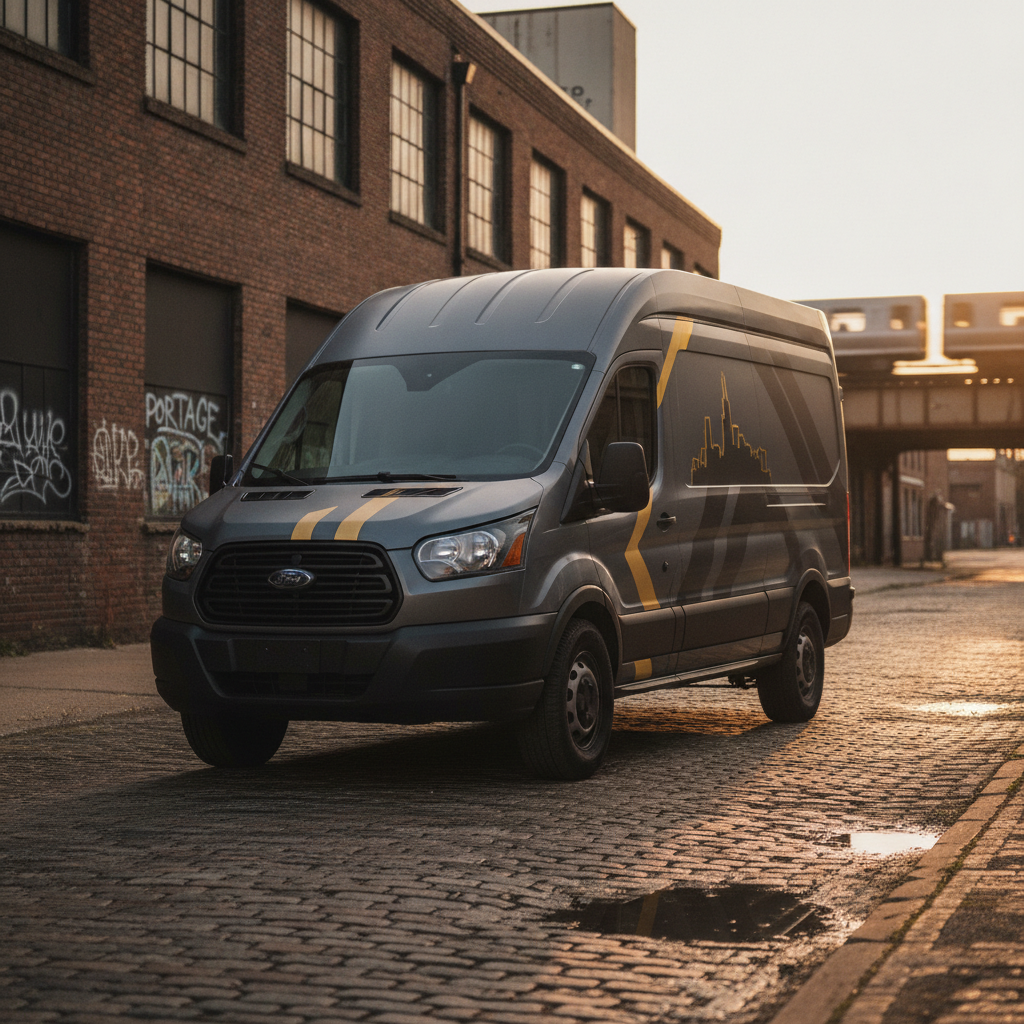
Paint protection film and vinyl wraps solve different problems. PPF shields original paint from rock chips and road debris. Vinyl wraps convert vehicles into moving billboards while still protecting factory paint. After 25 years in business, 19,400-plus vehicles wrapped, and zero verified paint-damage claims, Chicago Fleet Wraps can tell you exactly which product fits your situation.
Paint protection film and vinyl wraps solve different problems. PPF shields original paint from rock chips and road debris. Vinyl wraps convert vehicles into moving billboards while still protecting factory paint. After 25 years in business, 19,400-plus vehicles wrapped, and zero verified paint-damage claims, Chicago Fleet Wraps can tell you which product fits your situation before you spend a dollar.
What Each Product Actually Does
PPF is a thick, optically clear urethane film. It absorbs impacts. Pebbles kicked up on the Eisenhower, road salt spray on the Dan Ryan, and gravel from construction zones on the Kennedy, PPF takes that punishment so your factory paint does not. It is nearly invisible. Nobody sees it. That is the point.
Vinyl wrap is a pigmented or printed film. It changes color, adds graphics, or puts your brand on every vehicle in your fleet. Good vinyl also acts as a barrier between the environment and your paint. Remove it cleanly after five to seven years and the factory paint underneath is preserved. Both products protect. They protect different things in different ways.
The Honest Pros and Cons
Paint Protection Film: Pros
- Impact resistance. Nothing available in the aftermarket stops rock chips better. If your vans run I-90 daily, this matters.
- Self-healing surface. Heat from the sun or a warm water rinse closes minor swirl marks and light scratches.
- Invisible protection. Preserves a vehicle's resale value without altering its appearance.
- Long service life. Quality PPF lasts eight to twelve years with proper care.
Paint Protection Film: Cons
- High cost per vehicle. Full-vehicle PPF on a cargo van runs significantly more than a full vinyl wrap. For fleets of ten or more vehicles, that gap compounds fast.
- No branding value. PPF does nothing for visibility. Your van looks like every other white van on Lake Shore Drive.
- Complex installation. PPF requires precision cutting and tight control over humidity and temperature. Our climate-controlled bay in Portage Park handles this, but many shops do not have that environment.
- Limited color options. Matte and satin PPF exists, but color choice is narrow compared to vinyl.
Vinyl Wrap: Pros
- Brand exposure. A wrapped cargo van running North Ave through Wicker Park or circling O'Hare pickups generates impressions around the clock. PPF cannot do that.
- Cost efficiency at fleet scale. A full cargo van wrap starts at $4,200. Fleet discounts drop that further: 3 percent off for two to four vehicles, 7 percent for five to nine, 11 percent for ten to twenty-four, and 15 percent for twenty-five or more under a single contract.
- Paint preservation. Cast vinyl sits between your factory paint and Chicago winters. Pull it off correctly and the paint under it is in the same condition it was the day the vehicle left the dealer.
- Reversible. Rebrand, sell the vehicle, or change your fleet color scheme without touching the original paint.
- Material quality matters here. We install cast vinyl only. Avery Dennison MPI 1105 Supercast and 3M IJ180-CV3 and the newer 3M IJ280, all with UV overlaminate. We never install calendered film because calendered film shrinks, lifts at edges, and fails early in Chicago temperature swings.
Vinyl Wrap: Cons
- Not an impact shield. Vinyl will not stop a rock chip the way PPF does. It reduces paint exposure, but it is not a physical buffer against hard impacts.
- Shorter film lifespan than PPF. Our wraps are warrantied to last five to seven years. PPF stretches further.
- Graphics can fade without overlaminate. This is why we always apply UV overlaminate. Shops that skip this step sell you a shorter lifespan.
- Installation quality determines everything. A bad install lifts, bubbles, or worse, pulls paint on removal. We have handled 19,400-plus vehicles and carry zero verified paint-damage claims. That record reflects process, not luck.
Chicago-Specific Factors That Shift the Decision
Chicago is not a mild-weather market. Temperatures swing from negative twenty to one hundred degrees within a single calendar year. Road salt runs from November through March on the Kennedy, the 290, and every surface street in between. Freeze-thaw cycles crack asphalt and create the potholes that send debris airborne.
That environment means a few things. First, cast vinyl matters more here than in Sun Belt markets. Calendered film cannot handle repeated freeze-thaw expansion and contraction. It lifts. Cast film, specifically the Avery Dennison and 3M products we install, flexes and holds. Second, edge sealing on wraps is not optional in Chicago. Salt water wicks under poorly sealed edges and compromises adhesion. Third, if your vehicles park outside overnight year-round, PPF on high-impact zones like the hood and front bumper alongside a full vinyl wrap is a legitimate combination worth discussing.
Your route matters too. Delivery vehicles running city streets through Pilsen, Logan Square, or the Northwest Side face more stop-and-go debris exposure than interstate highway miles. Highway miles on I-88 or I-94 mean more sustained highway debris at higher speeds. Fleets with heavy highway exposure get a stronger argument for PPF on front panels, or a wrap on the full vehicle with PPF added to the front clip.
Fleet Accounts: The Math That Decides It
We have more than 2,800 active fleet accounts. The majority run vinyl wraps, not PPF. The reason is straightforward: fleet managers need brand visibility and paint protection at a price that makes sense across dozens of vehicles. Full PPF on a twenty-five-vehicle fleet at current market rates is a significant capital outlay with no marketing return. A full vinyl wrap at $4,200 per cargo van, reduced by 15 percent under a twenty-five-plus vehicle contract, delivers brand presence on every street in the city and still protects factory paint.
PPF makes the most sense for fleets where vehicle resale value is a priority, where the vehicles are high-end and unbranded, or where specific high-impact zones need extra protection on top of a wrap. Executive shuttle companies, luxury car services operating out of the Gold Coast or River North, and dealerships managing loaners often layer PPF and vinyl together.
Our Production Process and What It Means for You
Whether you choose PPF, vinyl, or a combination, the installation environment changes the outcome. We work out of a climate-controlled bay at 4711 N Lamon Ave, Suite 7, in Portage Park. Temperature and humidity are controlled because both affect adhesive performance during and after installation. We cut with 3M Knifeless Tape, which means no blade touches your paint during the install. Our production lifecycle runs eight days from deposit to delivery. For fleet customers across Chicagoland, we offer free pickup and delivery. Every job carries a two-year workmanship warranty.
Quotes take two hours and are itemized. You see exactly what you are paying for before you commit.
A Quick Reference: Which Product for Which Situation
- High-end personal vehicle, no branding needed: PPF, full vehicle or high-impact zones
- Fleet van, brand visibility required: Full vinyl wrap, cast film with UV overlaminate
- Fleet van, heavy highway miles on I-90 or I-94: Full vinyl wrap plus PPF on hood and front bumper
- Executive shuttle or luxury fleet: PPF full vehicle, or PPF plus subtle vinyl livery
- 25-plus vehicle fleet contract: Vinyl wrap with 15 percent fleet discount, PPF add-on discussed per vehicle type
- Rivian or EV fleet: We have completed 600-plus Rivian installs. EV-specific panel geometry requires cast film and experience. Both PPF and vinyl are available.
People Also Ask
Is paint protection film or vinyl wrap better for Chicago winters?
For Chicago winters, cast vinyl wrap outperforms PPF on fleet vehicles where branding matters, and cast vinyl holds up better in freeze-thaw cycles than calendered film. PPF is the stronger choice for rock chip and road salt impact resistance on high-value vehicles without branding requirements. On vehicles that run salted Chicago roads all winter, the best approach is cast vinyl across the full vehicle with UV overlaminate, and optional PPF on the front hood and bumper for maximum impact protection. Chicago Fleet Wraps has operated in this market since 2001 and installs cast vinyl only, never calendered, specifically because of local weather demands.
How much does a vinyl wrap cost compared to PPF for a cargo van in Chicago?
A full vinyl wrap for a cargo van starts at $4,200 at Chicago Fleet Wraps. Fleet discounts apply: 3 percent off for two to four vehicles, 7 percent for five to nine, 11 percent for ten to twenty-four, and 15 percent for twenty-five or more under a single contract. Full-vehicle PPF on a cargo van typically costs more than a vinyl wrap at current market rates, with no branding benefit. For fleets focused on cost-per-impression and paint protection together, vinyl wrap is the more practical choice at scale.
Will a vinyl wrap damage my vehicle's paint when removed?
A properly installed cast vinyl wrap removed within its rated lifespan does not damage factory paint. Chicago Fleet Wraps has wrapped more than 19,400 vehicles and holds zero verified paint-damage claims. The key factors are film type, installation quality, and removal technique. We install Avery Dennison MPI 1105 Supercast and 3M IJ180-CV3 and IJ280, cut with 3M Knifeless Tape so no blade contacts the paint, and back every job with a two-year workmanship warranty. Calendered film and poor installation practices are the primary causes of paint damage on removal at other shops.
Next Step
Call (312) 597-1286 or visit us at 4711 N Lamon Ave, Suite 7, Chicago, IL 60630 in Portage Park. We run two-hour itemized quotes. Tell us your fleet size, your routes, and your branding goals, and we will give you a straight answer on whether PPF, vinyl, or a combination makes sense for your operation. Free pickup and delivery across Chicagoland. No pressure, no guesswork.
Ready for a quote? See Van Wraps Chicago or get an itemized quote in 2 hours.
Frequently Asked Questions
Is paint protection film or vinyl wrap better for Chicago winters?
For Chicago winters, cast vinyl wrap is the better choice for fleet vehicles where branding matters because it holds up through freeze-thaw cycles better than calendered film. PPF provides stronger impact resistance against road salt and rock chips on high-value unbranded vehicles. The best combination for heavy winter exposure is cast vinyl across the full vehicle with UV overlaminate, plus optional PPF on the front hood and bumper. Chicago Fleet Wraps has installed in this market since 2001 and uses cast vinyl only for exactly this reason.
How much does a vinyl wrap cost compared to PPF for a fleet cargo van in Chicago?
A full cargo van vinyl wrap starts at $4,200 at Chicago Fleet Wraps. Fleet discounts apply: 3 percent for 2 to 4 vehicles, 7 percent for 5 to 9, 11 percent for 10 to 24, and 15 percent for 25 or more under one contract. Full-vehicle PPF on a cargo van costs more and provides no branding value. For fleets that need both paint protection and brand visibility, vinyl wrap with UV overlaminate is the more cost-effective choice at scale.
Will removing a vinyl wrap damage my vehicle's paint?
No, when cast vinyl is properly installed and removed within its rated lifespan, it does not damage factory paint. Chicago Fleet Wraps has completed more than 19,400 vehicle wraps and holds zero verified paint-damage claims. We install Avery Dennison MPI 1105 Supercast and 3M IJ180-CV3 and IJ280 cast films, cut with 3M Knifeless Tape to keep blades off the paint, and back every installation with a two-year workmanship warranty. Calendered film and poor installation are the leading causes of paint damage on removal at other shops.